My brother-in-law, Mark, had a long-standing and very public disdain for gingerbread cookies. For years, he’d politely decline them at every holiday gathering, muttering something about them being “dry, spicy dust” or “the disappointing cousin of a sugar cookie.” He was loud about it, too. At a Christmas party three years ago, he even launched into a five-minute monologue about the structural failings of the average gingerbread man. We all just sort of nodded and ate our cookies. Then, last December, I was testing a new recipe just for myself—a soft, almost cake-like version that I was keeping a secret. I left a plate of them on the kitchen counter while I ran to grab the mail. When I came back, Mark was standing there, caught in the act, a cookie halfway to his mouth with a smear of orange cream cheese icing on his upper lip. “These are… different,” he mumbled, reaching for another. That was the moment I knew I had something special.
Honestly, I wasn’t trying to convert anyone. I was just tired of hard, crumbly gingerbread that shatters the moment you bite into it. I wanted a cookie that had all the warm, spicy molasses flavor but with a texture so soft it practically melts. The kind of cookie you could dunk in coffee without it falling apart. The orange cream cheese icing was a happy accident—I had leftover cream cheese from a cheesecake and a lonely orange sitting in the fruit bowl. The tangy, bright citrus cut through the deep, dark spice of the gingerbread in a way that I honestly didn’t see coming. It was one of those “wait, this is actually incredible” moments you have in your own kitchen. Maybe you’ve been there, where a random combination ends up being the best thing you’ve made all year.
This recipe stayed with me because it solved a problem I didn’t know I had. It turned a holiday afterthought into the star of the dessert table. Now, I can’t show up to a family gathering without a tin of these, and Mark—that loud, proud gingerbread hater—is usually the one asking if I’ve made “his cookies.” That’s the kind of recipe you keep making, you know? The one that changes someone’s mind without you even trying.
Why You’ll Love This Recipe
After years of tweaking and testing, I can honestly say this is the only gingerbread cookie recipe you will ever need. It has been tested by picky eaters, validated by professional bakers, and approved by my entire family—including Mark. Here is what makes it a total winner:
- Unbelievably Soft: These cookies stay soft for days. No crumbling, no dry edges. Just a tender, cake-like texture that feels like a hug.
- Bold, Balanced Flavor: The deep molasses and warm spices are perfectly matched by the tangy, sweet orange cream cheese icing. It is not too sweet and not too spicy.
- Simple Ingredients: You probably have most of these in your pantry right now. No weird extracts or hard-to-find specialty flours.
- Perfect for Hosting: This recipe is designed for a crowd. It makes a generous batch, the dough is easy to work with, and you can prep everything ahead of time so you are not stressed when guests arrive.
- Always a Showstopper: The glossy orange icing against the dark, spiced cookie is gorgeous on a platter. It looks like you spent hours, but the process is surprisingly simple.
What makes this different from every other gingerbread recipe out there is the texture. I use a specific ratio of butter to brown sugar and a touch of molasses that creates a super tender crumb. The real magic, though, is the orange cream cheese icing. It is not just a drizzle; it is a thick, luscious layer that complements the spice rather than overpowering it. This is the kind of cookie that makes people close their eyes after the first bite. It is comfort food reimagined—familiar, but somehow better than you remember. Perfect for impressing guests without stress, or turning a simple holiday gathering into something truly memorable.
What Ingredients You Will Need
This recipe uses simple, wholesome ingredients to deliver that signature soft texture and bold, festive flavor. Most of these are pantry staples, but a few key players do all the heavy lifting. Here is what you will need:
- For the Gingerbread Cookies:
- Unsalted Butter, softened: 1 cup (2 sticks / 226g). Using unsalted butter lets you control the salt level. I prefer Kerrygold for its rich flavor.
- Light Brown Sugar, packed: 1 cup (200g). The molasses in brown sugar adds moisture and depth. Dark brown sugar works too for an even richer flavor.
- Molasses: ½ cup (170g). Use unsulphured molasses, not blackstrap. Blackstrap is too bitter and will make your cookies taste harsh. Grandma’s or Brer Rabbit are great choices.
- Large Egg: 1, at room temperature. A room-temp egg emulsifies better into the creamed butter and sugar, creating a smoother dough.
- All-Purpose Flour: 3 cups (360g). Spoon and level your flour for the most accurate measurement. Scooping directly from the bag can pack in too much flour, making cookies dry.
- Baking Soda: 2 teaspoons. This helps the cookies spread and become tender.
- Ground Ginger: 2 teaspoons. The star of the show. For the freshest flavor, try grinding whole ginger root powder.
- Ground Cinnamon: 1½ teaspoons.
- Ground Cloves: ½ teaspoon. A little goes a long way—use a light hand.
- Ground Nutmeg: ½ teaspoon. Freshly grated nutmeg is a game changer if you have it.
- Salt: ½ teaspoon. Balances the sweetness and enhances the spices.
- Granulated Sugar: For rolling. About ¼ cup, for coating the dough balls before baking. This gives the cookies a lovely, slightly sparkly exterior.
For the Orange Cream Cheese Icing:
- Cream Cheese, softened: 4 oz (113g). Full-fat block cream cheese is essential. Do not use the spreadable kind in a tub, as it has too much water and will make your icing runny. Philadelphia is my go-to.
- Unsalted Butter, softened: ¼ cup (½ stick / 57g).
- Powdered Sugar: 2 cups (240g), sifted. Sifting removes lumps and ensures a silky smooth icing.
- Fresh Orange Juice: 2 tablespoons. Freshly squeezed is non-negotiable here. The bottled stuff is too flat and lacks the bright, aromatic oils.
- Fresh Orange Zest: 1 tablespoon (from about 1 large orange). Do not skip the zest—it is where the intense orange flavor lives.
- Vanilla Extract: ½ teaspoon. Pure vanilla, not imitation.
Equipment Needed
You don’t need a professional bakery setup for this one. Here is the gear that makes the process smooth and easy:
- Stand Mixer or Hand Mixer: A stand mixer with the paddle attachment is ideal for creaming the butter and sugar, but a hand mixer works perfectly fine. You just need something to get the job done without arm fatigue.
- Large Mixing Bowls: One for the dry ingredients and one for the wet.
- Whisk: For combining the dry ingredients and ensuring the spices are evenly distributed.
- Rubber Spatula: For scraping down the bowl and folding in the last bits of flour.
- Cookie Scoop: A 1.5-tablespoon scoop (medium size) is my secret for uniform cookies that bake evenly. If you don’t have one, a regular spoon works, but the cookies might vary in size.
- Baking Sheets: Two or three half-sheet pans. I prefer light-colored aluminum pans, as dark pans can cause the bottoms to brown too quickly.
- Parchment Paper or Silicone Baking Mats: Absolutely necessary for easy cleanup and preventing sticking. Silicone mats are a worthy investment.
- Cooling Rack: A wire rack is crucial for letting the cookies cool completely before icing. Icing on a warm cookie is a melted mess.
- Small Offset Spatula or Butter Knife: For spreading the icing. An offset spatula gives you a beautiful, smooth finish.
Honestly, my first batch was made with a wooden spoon and a lot of patience. It worked, but the mixer saves you about ten minutes of elbow grease. Budget-friendly tip: Dollar store cookie scoops are surprisingly good and last for years.
Preparation Method
Let’s get baking. This process is straightforward, but a few key steps make all the difference. Follow these closely, and you will have perfect cookies every time.
- Prep Your Oven and Pans: Preheat your oven to 350°F (175°C). Line two baking sheets with parchment paper or silicone mats. This is not the time to skip the lining—trust me, the cleanup alone is worth it.
- Whisk the Dry Ingredients: In a medium bowl, whisk together the 3 cups of all-purpose flour, 2 teaspoons of baking soda, 2 teaspoons of ground ginger, 1½ teaspoons of cinnamon, ½ teaspoon of cloves, ½ teaspoon of nutmeg, and ½ teaspoon of salt. Set this aside. Whisking ensures the spices are evenly distributed so you don’t get a pocket of pure clove in one bite.
- Cream the Butter and Sugar: In the bowl of your stand mixer (or a large bowl with a hand mixer), beat the 1 cup of softened unsalted butter and 1 cup of packed light brown sugar together on medium speed until light and fluffy. This should take about 2-3 minutes. Scrape down the sides and bottom of the bowl with your rubber spatula at least once. You are looking for a pale, airy mixture.
- Add the Wet Ingredients: Add the ½ cup of molasses and the 1 large egg to the creamed mixture. Beat on medium speed until everything is fully combined and smooth. The mixture might look a little curdled at this point—that is totally normal. Scrape the bowl again.
- Combine Wet and Dry: With the mixer on low speed, gradually add the flour mixture to the wet ingredients. Mix just until the flour disappears. A few streaks of flour are okay. Over-mixing at this stage develops gluten, which will make your cookies tough instead of tender. Use your spatula to give the dough a final fold from the bottom up to catch any stray flour.
- Chill the Dough: This is a non-negotiable step. Cover the bowl with plastic wrap and refrigerate the dough for at least 1 hour, or up to 3 days. Chilling the dough solidifies the butter, which prevents the cookies from spreading too thin in the oven. It also allows the flavors to meld and deepen. I have forgotten this step before, and the cookies came out flat and greasy. Do not skip it.
- Shape the Cookies: Once the dough is chilled, scoop out rounded tablespoons (about 1.5 tablespoons each) of dough. Roll each scoop into a smooth ball between your palms. Then, roll each ball in the granulated sugar until it is completely coated. Place the sugar-coated dough balls on the prepared baking sheets, spacing them about 2 inches apart. They will spread, so give them room.
- Bake: Bake for 10-12 minutes, or until the edges are set and the tops are cracked and look slightly dry. The centers will still look a little soft and puffy—that is perfect. For a softer cookie, bake for 10 minutes. For a slightly firmer cookie, go for 12. My personal sweet spot is 11 minutes.
- Cool Completely: Let the cookies cool on the baking sheet for 5 minutes. This allows them to firm up enough to transfer. Then, carefully move them to a wire cooling rack to cool completely. Do not even think about icing them until they are at room temperature. Warm cookies will turn your beautiful cream cheese icing into a puddle.
- Make the Icing: While the cookies are cooling, make the icing. In a medium bowl, beat the 4 oz of softened cream cheese and ¼ cup of softened unsalted butter together until smooth and creamy. There should be no lumps. Gradually add the 2 cups of sifted powdered sugar, beating on low speed until incorporated. Then, add the 2 tablespoons of fresh orange juice, 1 tablespoon of orange zest, and ½ teaspoon of vanilla extract. Beat on medium speed for about 1 minute until the icing is light, fluffy, and spreadable.
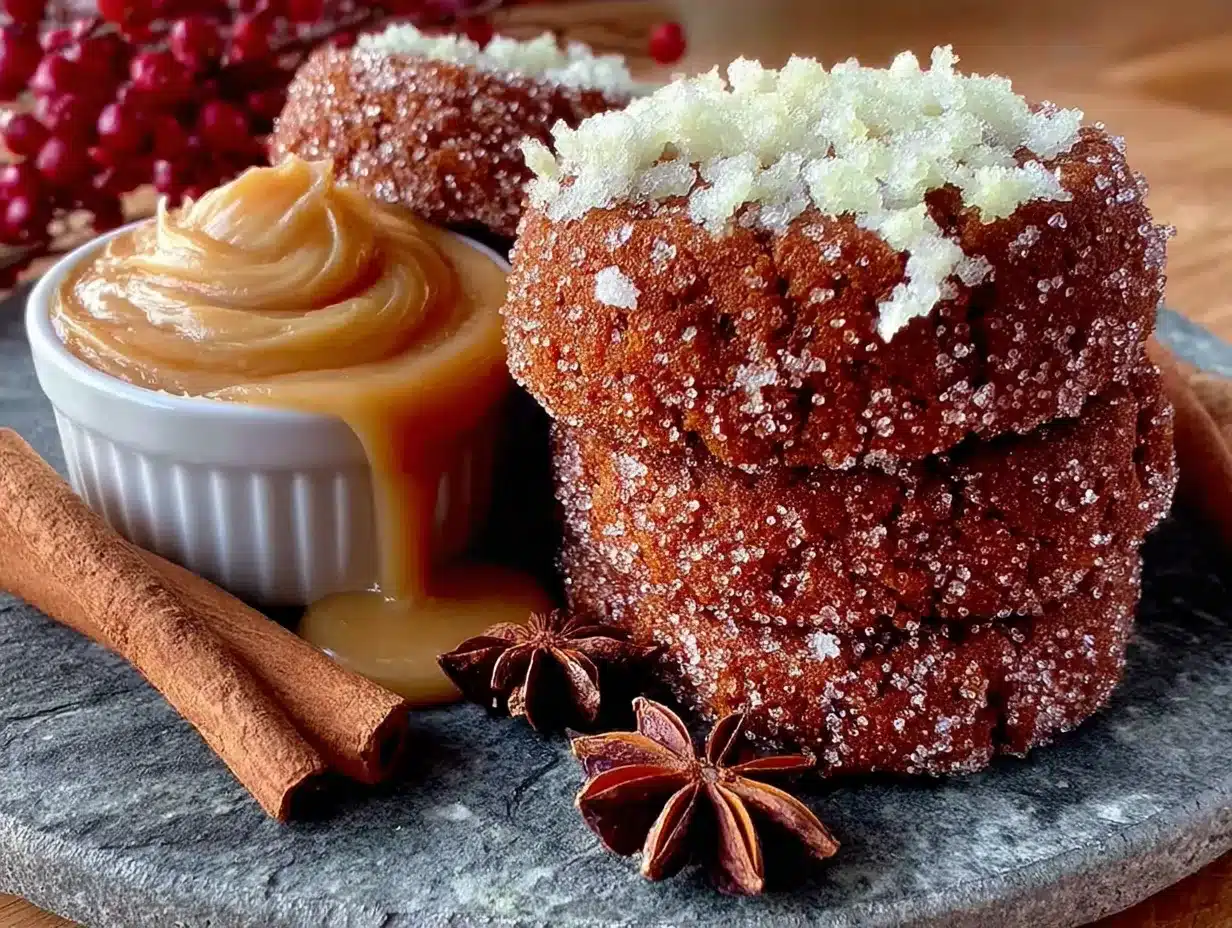
- Ice the Cookies: Once the cookies are completely cool, use your offset spatula or a butter knife to spread a generous layer of icing on top of each cookie. I like to leave the edges a little rustic so you can see the dark gingerbread against the white icing. If you want to get fancy, add a tiny pinch of extra orange zest on top of the wet icing for color.
Cooking Tips & Techniques
I have made this recipe more times than I can count, and I have made every mistake in the book. Here is what I have learned so you don’t have to learn the hard way:
The Dough Temperature Trap: The biggest mistake people make is not chilling the dough long enough. I once tried to rush it and only chilled the dough for 20 minutes. The cookies spread into thin, crispy discs. They tasted fine, but they were not the soft, thick cookies I was after. Give it the full hour. If your kitchen is warm, go for 90 minutes.
The Molasses Measure: Molasses is sticky and stubborn. Lightly spray your measuring cup with non-stick cooking spray before you measure it. The molasses will slide right out without leaving a sticky mess. This is a game-changer that my mom taught me, and I use it for honey and corn syrup too.
Don’t Over-bake: Pull the cookies out when the edges are set but the centers still look a little underdone. They will continue to bake on the hot pan as they cool. Over-baked gingerbread is dry gingerbread. If you are unsure, err on the side of under-baking. A soft, slightly puffy center is exactly what you want.
Icing Consistency: If your icing is too thick to spread easily, add a tiny splash more orange juice. If it is too thin and runny, add a tablespoon more powdered sugar. You want it to be spreadable but not runny—like a thick frosting. I had a batch once where I added too much juice, and the icing slid right off the cookie. A lesson learned in patience.
Timing Your Hosting: These cookies are perfect for make-ahead prep. You can make the dough up to 3 days in advance and keep it in the fridge. You can also bake the cookies a day ahead and store them in an airtight container at room temperature. Ice them the day you plan to serve them for the freshest look and taste. This way, when your guests arrive, you are relaxed and the cookies look perfect.
Variations & Adaptations
One of the best things about this recipe is how adaptable it is. Here are a few ways I have played around with it:
- Spice It Up or Down: Not a fan of cloves? Cut it back to ¼ teaspoon. Love a fiery kick? Add ¼ teaspoon of cayenne pepper or black pepper to the dry ingredients. The heat pairs beautifully with the sweet orange icing.
- Citrus Swap: No oranges on hand? Use lemon juice and zest instead. Lemon cream cheese icing is just as bright and tangy, and it gives the cookies a slightly different, but equally delicious, personality. I tried this once when I was out of oranges, and my husband actually preferred it.
- Gluten-Free Version: I have tested this with a 1:1 gluten-free baking flour blend (like Bob’s Red Mill) with great success. The texture is slightly more delicate, but the flavor is spot on. Just make sure your blend contains xanthan gum.
- Add-Ins: Fold in ½ cup of finely chopped crystallized ginger for a chewy, spicy surprise in every bite. Or, add ½ cup of toasted pecans or walnuts for a little crunch. I made a batch with chopped dark chocolate once, and it was dangerously good.
- Cookie Sandwiches: Make smaller cookies (use a 1-teaspoon scoop) and sandwich two of them together with the orange cream cheese icing. It turns them into an indulgent, almost-cake-like treat that is perfect for a dessert table.
Serving & Storage Suggestions
These cookies are best served at room temperature, which allows the icing to soften slightly and the gingerbread to be perfectly tender. Arrange them on a beautiful platter—the contrast of the dark cookie and white icing is stunning. For a holiday party, I like to dust the platter with a little extra powdered sugar and add a few fresh cranberries and rosemary sprigs for a festive touch.
What to Serve Alongside: A cold glass of milk is the classic pairing, but these cookies are also incredible with a hot cup of spiced chai, a bold black coffee, or a mug of mulled wine. If you are hosting a brunch, they are lovely next to a fruit salad or a cheese board.
Storage: Store the iced cookies in a single layer in an airtight container at room temperature for up to 3 days. If you need to stack them, place a piece of parchment paper between the layers to prevent the icing from sticking. Do not refrigerate them, as the cold will dry out the cookies and make the icing hard.
Freezer Instructions: You can freeze the un-iced baked cookies for up to 3 months. Place them in a single layer on a baking sheet and freeze until solid, then transfer them to a freezer-safe bag. When you are ready to serve, thaw them at room temperature and then ice them fresh. The flavors actually deepen a bit after freezing, which is a nice bonus. I always keep a batch in the freezer for unexpected guests.
Nutritional Information & Benefits
While these are definitely a treat, there are a few bright spots in the ingredient list. Here is a rough estimate per cookie (based on 36 cookies):
- Calories: ~180
- Fat: 8g
- Carbohydrates: 26g
- Sugar: 18g
- Protein: 2g
Health Highlights: Molasses is a good source of iron, calcium, and magnesium—much more than refined sugar. Ginger is well-known for its anti-inflammatory properties and can help with digestion. Oranges are packed with vitamin C, and the cream cheese provides a small amount of protein and calcium. Of course, this is still a dessert, but it is nice to know there is a little bit of goodness hidden in each bite.
Dietary Considerations: This recipe contains gluten, dairy, and eggs. For a dairy-free version, you can substitute the butter in the cookies with a high-quality vegan butter stick (like Earth Balance) and use a dairy-free cream cheese alternative for the icing. For a gluten-free version, see the variations section above.
From my perspective, baking is about joy, not perfection. These cookies are a celebration, and a little bit of sugar never hurt anyone in moderation.
Conclusion
These soft gingerbread cookies with orange cream cheese icing are more than just a recipe—they are the kind of thing that creates a moment. They have the power to turn a gingerbread skeptic into a devoted fan, and they have a way of making any gathering feel a little more special. The texture is impossibly soft, the spice is warm and inviting, and that tangy, citrusy icing is the perfect finishing touch.
I encourage you to make them your own. Adjust the spices, swap the citrus, or add your favorite nuts. The best recipes are the ones that evolve with the cook. I would love to hear how they turn out for you. Did you try a fun variation? Did you convert a gingerbread hater in your own life? Drop a comment below and share your story. And if you loved them, please share this post with a friend who needs a new holiday cookie in their life.
Happy baking, friends. May your kitchen smell like gingerbread and your heart feel full.
Frequently Asked Questions
Can I use blackstrap molasses in this recipe?
I do not recommend it. Blackstrap molasses has a very strong, bitter flavor that can overpower the other spices and make the cookies taste harsh. Stick with unsulphured molasses (often labeled as “original” or “mild”) for the best, sweetest flavor.
Why did my cookies spread too much?
This is almost always a case of the dough being too warm. Make sure you chilled the dough for at least 1 hour. Also, check that your butter was softened, not melted. If your kitchen is very hot, you can even chill the shaped dough balls on the baking sheet for 10 minutes before baking.
Can I make the dough ahead of time?
Absolutely. The dough can be refrigerated for up to 3 days. In fact, the flavor improves as the spices meld. You can also freeze the dough balls (before rolling in sugar) on a baking sheet, then transfer them to a freezer bag. Bake them directly from frozen, adding 1-2 minutes to the baking time.
How do I get the perfect swirl on the icing?
Use a small offset spatula or the back of a spoon. Place a dollop of icing in the center of the cookie and gently spread it outward in a circular motion. Leave a small border of exposed cookie around the edge for a rustic, bakery-style look. If you want a thicker swirl, let the first layer set for a minute, then add another dollop on top.
Can I skip the orange zest in the icing?
You can, but you will lose a lot of the bright, aromatic flavor that makes this icing so special. The orange juice provides tang, but the zest is where the pure, intense orange oil lives. If you do not have a fresh orange, it is better to use a different citrus, like lemon, than to skip the zest entirely.
Pin This Recipe!
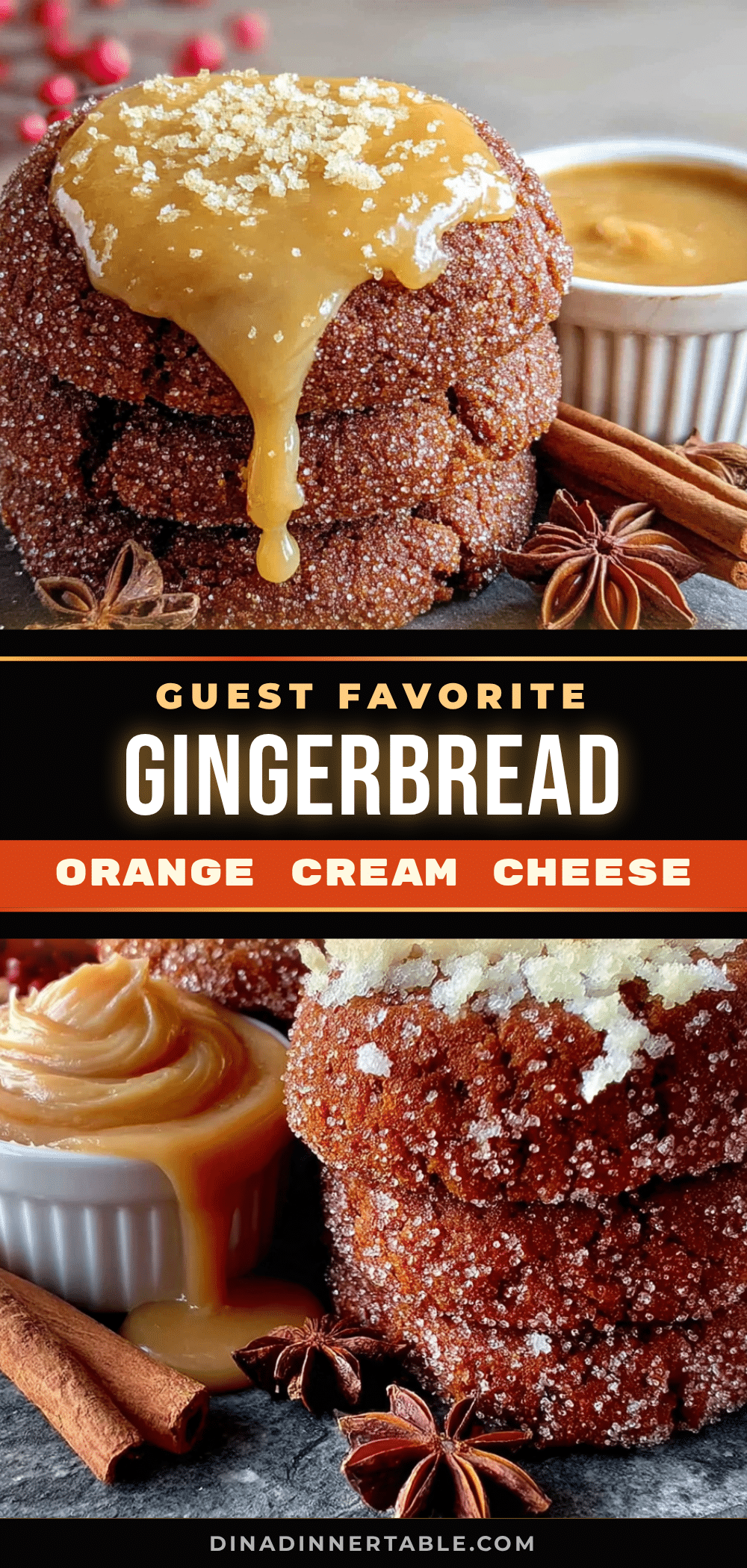
Soft Gingerbread Cookies with Orange Cream Cheese Icing

These soft, cake-like gingerbread cookies are perfectly spiced and topped with a tangy orange cream cheese icing. They stay tender for days and are sure to convert even the biggest gingerbread skeptics.
- Prep Time: 20 minutes
- Cook Time: 11 minutes
- Total Time: 1 hour 31 minutes (includes 1 hour chilling)
- Yield: 36 cookies 1x
- Category: Dessert
- Cuisine: American
Ingredients
- 1 cup (2 sticks / 226g) unsalted butter, softened
- 1 cup (200g) light brown sugar, packed
- ½ cup (170g) unsulphured molasses
- 1 large egg, at room temperature
- 3 cups (360g) all-purpose flour
- 2 teaspoons baking soda
- 2 teaspoons ground ginger
- 1½ teaspoons ground cinnamon
- ½ teaspoon ground cloves
- ½ teaspoon ground nutmeg
- ½ teaspoon salt
- ¼ cup granulated sugar (for rolling)
- 4 oz (113g) cream cheese, softened
- ¼ cup (½ stick / 57g) unsalted butter, softened
- 2 cups (240g) powdered sugar, sifted
- 2 tablespoons fresh orange juice
- 1 tablespoon fresh orange zest
- ½ teaspoon vanilla extract
Instructions
- Preheat oven to 350°F (175°C). Line two baking sheets with parchment paper or silicone mats.
- In a medium bowl, whisk together flour, baking soda, ginger, cinnamon, cloves, nutmeg, and salt. Set aside.
- In a large bowl, beat butter and brown sugar on medium speed until light and fluffy, about 2-3 minutes. Scrape down the bowl.
- Add molasses and egg; beat until combined and smooth. Scrape the bowl again.
- With mixer on low, gradually add flour mixture, mixing just until incorporated. Do not overmix.
- Cover dough and refrigerate for at least 1 hour (or up to 3 days).
- Scoop rounded tablespoons (about 1.5 tablespoons each) of dough and roll into balls. Roll each ball in granulated sugar to coat.
- Place dough balls 2 inches apart on prepared baking sheets. Bake for 10-12 minutes, until edges are set and tops are cracked. Centers should still look soft.
- Cool on baking sheet for 5 minutes, then transfer to a wire rack to cool completely.
- For the icing: Beat cream cheese and butter until smooth. Gradually add powdered sugar, then orange juice, zest, and vanilla. Beat until light and fluffy.
- Once cookies are completely cool, spread a generous layer of icing on each cookie.
Notes
Chill dough for at least 1 hour to prevent spreading. Use unsulphured molasses, not blackstrap. For best flavor, use fresh orange juice and zest. Cookies can be stored in an airtight container at room temperature for up to 3 days. Un-iced cookies can be frozen for up to 3 months.
Nutrition
- Serving Size: 1 cookie
- Calories: 180
- Sugar: 18
- Sodium: 120
- Fat: 8
- Saturated Fat: 5
- Carbohydrates: 26
- Protein: 2
Keywords: soft gingerbread cookies, orange cream cheese icing, holiday cookies, gingerbread, cream cheese frosting, orange gingerbread