I’m not supposed to have a favorite Easter tradition, but let’s be honest—I totally do. Last spring, I stopped by my neighbor’s house on a random Tuesday afternoon to return a mixing bowl she’d lent me, and the smell hit me before I even got through the gate. Warm yeast, orange zest, and something sweet and spiced—like a bakery had somehow materialized in her tiny kitchen. She wasn’t trying to impress anyone. She was just making hot cross buns because she felt like it, on a random Tuesday, like it was the most normal thing in the world.
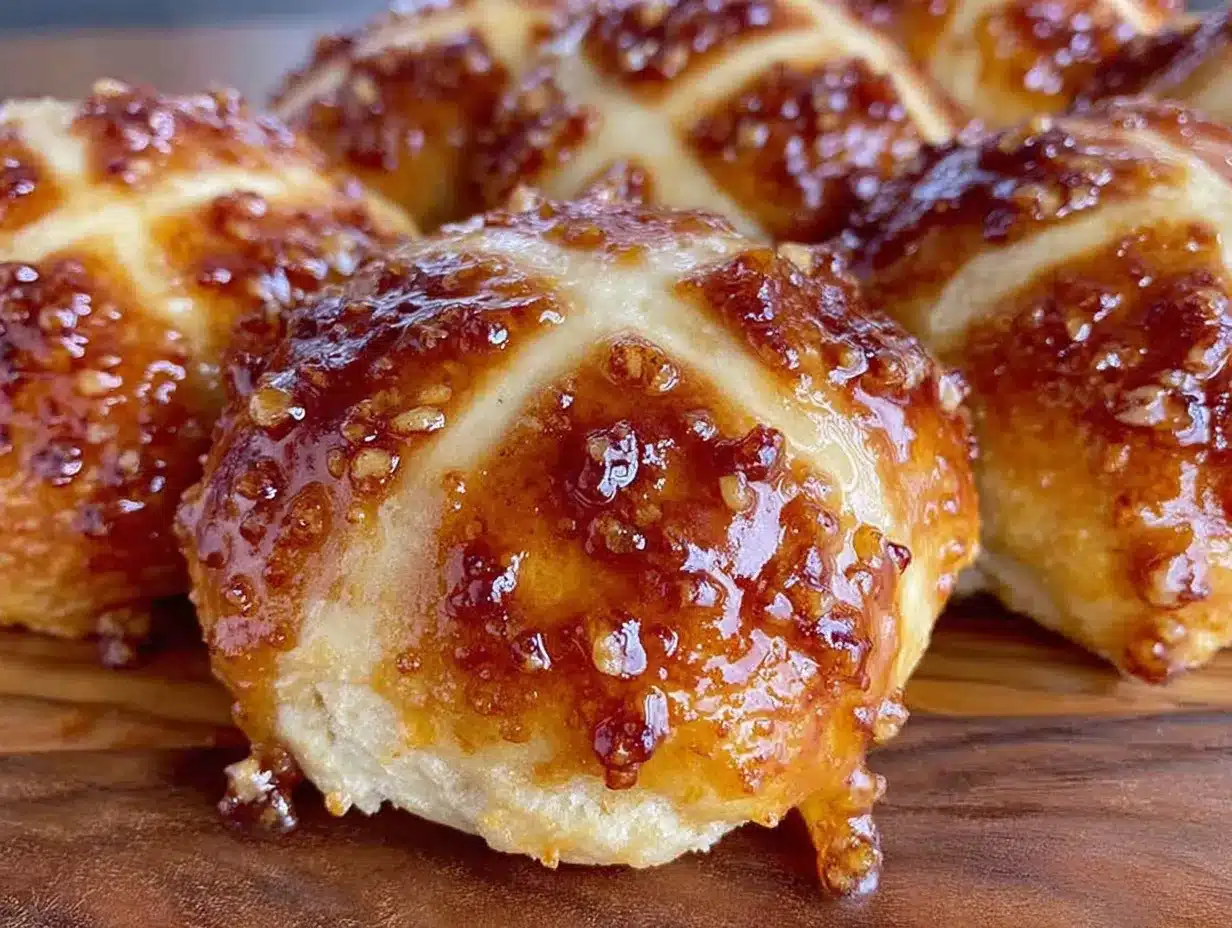
I stood there in her doorway, probably looking a little ridiculous, and asked what on earth she was baking. She shrugged and said, “Oh, just those buns with the crosses. My grandmother’s recipe.” Just those buns. Like she hadn’t just stopped me cold with the most intoxicating kitchen smell I’d encountered in months. She handed me one still warm from the oven, and I swear I closed my eyes for a second. The orange glaze was glossy and fragrant, and the bun itself was pillowy soft with just the right amount of chew. I asked for the recipe, and she scribbled it on a scrap of paper—which I promptly lost. But the memory stuck.
It took me three tries to recreate what she’d made so casually that afternoon. The first batch came out dense. The second was too dry. But the third? That was the one. I added a little more orange zest, tweaked the glaze, and figured out the overnight dough trick so you can prep everything the night before and just bake in the morning. Honestly, these best orange glazed hot cross buns have become my go-to for Easter brunch, spring gatherings, and honestly, random Tuesdays too. Maybe you’ve been there—chasing a recipe you tasted once and couldn’t forget. This is that recipe.
Why You’ll Love This Recipe
These aren’t just any hot cross buns. The orange glaze makes them stand out from the traditional versions, and the overnight dough saves you from waking up at 5 AM on a holiday morning. Here’s why this recipe works so well for anyone who loves to host:
- Make-Ahead Magic : The dough rises overnight in the fridge, so you can prep everything the night before your gathering. Just shape, proof, and bake in the morning.
- Show-Stopping Presentation : The glossy orange glaze and piped crosses make these buns look like they came from a fancy bakery. Your guests will think you spent hours on them.
- Perfect for a Crowd : This recipe makes 12 generous buns, ideal for Easter brunch, spring potlucks, or any gathering where you want to impress without stress.
- Simple Pantry Ingredients : Nothing fancy here—flour, butter, eggs, milk, dried fruit, and fresh oranges. You probably already have most of it.
- Incredible Texture : The overnight fermentation develops flavor and creates a tender, pillowy crumb that stays soft for days.
What makes these buns different from the rest? It’s the orange glaze. Traditional hot cross buns often use a simple sugar glaze or apricot jam wash, but this version uses fresh orange juice and zest for a bright, citrusy finish that cuts through the richness of the spiced dough. The glaze isn’t just decoration—it adds real flavor that ties everything together.
I’ve made these for Easter brunch, spring brunches, and even as a hostess gift. Every time, someone asks for the recipe. It’s the kind of bun that makes you close your eyes after the first bite—comforting, familiar, but with a bright twist that feels special.
What Ingredients You Will Need
This recipe uses simple, wholesome ingredients to deliver rich flavor and soft texture. Most of these are pantry staples, but a few key items make all the difference.
For the Dough
- 3 ½ cups all-purpose flour (440g) — I prefer King Arthur Flour for consistent results, but any good brand works
- ¼ cup granulated sugar (50g) — adds just enough sweetness without overwhelming the spices
- 2 ¼ teaspoons active dry yeast (one packet) — instant yeast also works; just skip the blooming step
- 1 teaspoon salt — fine sea salt dissolves better than kosher for dough
- 1 teaspoon ground cinnamon — the backbone of the spice blend
- ½ teaspoon ground nutmeg — freshly grated is amazing if you have it
- ½ teaspoon ground allspice — adds warmth and depth
- ¼ teaspoon ground cloves — a little goes a long way
- ¾ cup warm milk (180ml) — whole milk gives the richest texture, but 2% works fine
- ¼ cup unsalted butter (57g), melted and slightly cooled — European-style butter adds extra richness
- 2 large eggs, room temperature — cold eggs will shock the dough
- 1 teaspoon vanilla extract — pure vanilla, not imitation, for best flavor
- Zest of 1 large orange — this goes into the dough for subtle citrus flavor throughout
- ¾ cup mixed dried fruit (120g) — I use a combination of golden raisins, currants, and chopped dried apricots
- ¼ cup candied orange peel (40g), finely chopped — optional but highly recommended for extra orange flavor
For the Orange Glaze
- 1 cup powdered sugar (120g) — sifted to avoid lumps
- 2-3 tablespoons fresh orange juice — from that orange you zested for the dough
- 1 teaspoon orange zest — for color and intense citrus flavor
- ½ teaspoon vanilla extract — rounds out the sweetness
For the Crosses
- ¼ cup all-purpose flour (30g)
- 2-3 tablespoons water — enough to make a smooth paste
- 1 tablespoon powdered sugar — for a slightly sweeter cross
A note on dried fruit: I’ve tried this recipe with just raisins, and it’s good. But the combination of golden raisins, currants, and dried apricots gives a more interesting texture and flavor. The candied orange peel is optional, but it really amps up the citrus notes. If you can’t find it, just add another tablespoon of orange zest to the dough.
Equipment Needed
You don’t need a professional bakery setup for these buns, but a few tools make the process much smoother.
- Stand mixer with dough hook — kneading by hand works, but a mixer saves time and arm strength. I use my KitchenAid for this recipe.
- Large mixing bowl — for the overnight rise. Glass or ceramic is ideal because it doesn’t retain heat.
- 9×13-inch baking pan — or a similar size that fits 12 buns snugly. A metal pan gives better browning than glass.
- Parchment paper — lining the pan prevents sticking and makes cleanup easy
- Plastic wrap — for covering the dough during rises
- Microplane or fine grater — for zesting oranges without getting bitter pith
- Pastry brush — for applying the glaze. A silicone brush works fine.
- Small piping bag or zip-top bag — for piping the crosses. A zip-top bag with a tiny corner snipped off works perfectly.
- Cooling rack — essential for letting the buns cool evenly before glazing
If you don’t have a stand mixer, you can knead by hand. It takes about 10-12 minutes of steady work. The dough is slightly sticky, so keep your hands lightly floured. A bench scraper helps manage sticky dough without adding too much extra flour.
Preparation Method
This recipe is broken into two parts: the overnight prep and the morning baking. Trust me, spreading it out makes everything feel effortless.
Night Before (Day 1)
- Bloom the yeast : In a small bowl, combine the warm milk (about 110°F/43°C) with 1 tablespoon of the sugar. Sprinkle the yeast on top and let it sit for 5-10 minutes until foamy. If it doesn’t foam, your milk was too hot or your yeast is dead. Start over with fresh yeast.
- Mix the dry ingredients : In the bowl of your stand mixer, whisk together the flour, remaining sugar, salt, cinnamon, nutmeg, allspice, and cloves. Make a well in the center.
- Combine wet ingredients : In a separate bowl, whisk together the melted butter, eggs, vanilla extract, and orange zest. Pour this into the well, then add the bloomed yeast mixture.
- Knead the dough : Using the dough hook, mix on low speed until a shaggy dough forms, about 2 minutes. Increase to medium speed and knead for 6-8 minutes until the dough is smooth and elastic. It should pull away from the sides of the bowl but still feel slightly tacky to the touch.
- Add the fruit : Reduce speed to low and add the dried fruit and candied orange peel. Mix just until evenly distributed, about 1 minute. If the fruit doesn’t incorporate fully, knead a few times by hand.
- First rise (room temperature) : Transfer the dough to a lightly greased bowl, turning once to coat. Cover tightly with plastic wrap and let rise at room temperature for 1 hour, or until puffy and almost doubled.
- Refrigerate overnight : After the first rise, punch the dough down gently. Re-cover the bowl tightly with plastic wrap and refrigerate for 8-12 hours. The cold temperature slows fermentation, developing deeper flavor and making the dough easier to handle in the morning.
Morning Of (Day 2)
- Shape the buns : Remove the dough from the refrigerator. Turn it out onto a lightly floured surface. Divide into 12 equal pieces (about 75g each). Shape each piece into a smooth ball by pulling the edges toward the center and pinching to seal. Place the balls seam-side down in a parchment-lined 9×13-inch pan, arranged in 4 rows of 3.
- Second rise : Cover the pan loosely with plastic wrap and let the buns rise in a warm, draft-free place for 1.5 to 2 hours, until they’ve doubled in size and are touching each other. They should feel puffy and soft when gently pressed.
- Preheat the oven : About 20 minutes before baking, preheat your oven to 375°F (190°C). Position a rack in the center of the oven.
- Bake the buns : Bake for 20-25 minutes, until the tops are golden brown and the internal temperature reaches 190°F (88°C). If the tops brown too quickly, tent loosely with foil after 15 minutes.
- Cool slightly : Let the buns cool in the pan on a wire rack for 10 minutes. Then transfer them to the rack to cool completely before glazing.
- Make the crosses : While the buns cool, whisk together the flour, powdered sugar, and enough water to make a smooth, pipeable paste. Transfer to a small piping bag or zip-top bag with a tiny corner snipped off. Pipe crosses onto the cooled buns.
- Make the orange glaze : Whisk together the powdered sugar, orange juice, orange zest, and vanilla extract until smooth. The glaze should be thick but pourable. If it’s too thick, add more orange juice a teaspoon at a time. If too thin, add more powdered sugar.
- Glaze the buns : Drizzle or brush the orange glaze over the crosses. Let the glaze set for about 15 minutes before serving.
Cooking Tips & Techniques
I learned some of these the hard way, so you don’t have to make the same mistakes.
Temperature matters more than you think. The milk for blooming the yeast should be warm but not hot—around 110°F. Too hot kills the yeast. Too cold and it won’t activate. I use an instant-read thermometer to be precise. Your eggs and butter should also be at room temperature. Cold ingredients slow down the rise and can make the dough dense.
Don’t over-flour the dough. The dough will be slightly tacky, and that’s okay. Adding too much flour during shaping makes the buns dry and tough. Instead, lightly oil your hands or use a bench scraper to handle sticky dough. The overnight rest in the fridge makes the dough much less sticky by morning, so the shaping step becomes easier.
Watch the second rise carefully. The buns should be touching each other in the pan before they go into the oven. If they’re not puffy and doubled, give them more time. Under-proofed buns will be dense and heavy. Over-proofed buns will collapse in the oven. The poke test helps—gently press a bun with your finger. If the indentation springs back slowly, they’re ready. If it springs back immediately, they need more time. If it doesn’t spring back at all, you’ve gone too far.
Glaze while warm, but not hot. The buns should be completely cool before you pipe the crosses and add the glaze. If the buns are too warm, the glaze will melt and run off. If they’re too cold, the glaze won’t spread nicely. Let them cool on a rack for about 30 minutes before glazing.
One mistake I still make sometimes: forgetting to zest the orange before juicing it. Zesting a juiced orange is nearly impossible. Always zest first, then juice. It’s a small thing, but it saves a lot of frustration.
Variations & Adaptations
This recipe is flexible, and I’ve tried several variations over the years. Here are a few that work well:
Spiced Apple-Cranberry Buns
Swap the dried fruit mix for ½ cup dried cranberries and ½ cup finely chopped dried apples. Add ½ teaspoon ground ginger to the spice blend. The tartness of the cranberries balances the sweet apples beautifully. I made this version for Thanksgiving one year, and it was a hit.
Chocolate Chip Hot Cross Buns
Replace the dried fruit with ¾ cup mini chocolate chips. Omit the candied orange peel. The chocolate chips stay soft and melty in the tender dough. My kids love this version, and honestly, so do I. The orange glaze still works perfectly with the chocolate—it’s like a chocolate-orange flavor combo.
Vegan Version
Use plant-based milk (oat milk works best for richness), replace the butter with melted coconut oil or vegan butter, and use a flax egg (1 tablespoon ground flaxseed mixed with 3 tablespoons water per egg, let sit for 5 minutes). The texture is slightly denser but still delicious. The glaze can be made with vegan powdered sugar and orange juice. I’ve tested this for a friend who’s vegan, and she gave it two thumbs up.
Gluten-Free Adaptation
Substitute a high-quality gluten-free all-purpose flour blend that contains xanthan gum. Cup4Cup or King Arthur Measure for Measure work well. Add an extra tablespoon of milk because gluten-free flours absorb more liquid. The buns won’t rise as much, but they’ll still be tender and flavorful. The crosses may spread a little more, so pipe them slightly thinner.
Serving & Storage Suggestions
These buns are best served warm, but they’re still wonderful at room temperature. For a gathering, I like to arrange them on a large wooden board or a pretty platter, with the glazed crosses facing up. They look beautiful as a centerpiece for a brunch table.
What to serve alongside: These buns pair beautifully with a cup of strong coffee or a pot of Earl Grey tea. For a brunch spread, serve them alongside a frittata or quiche, fresh fruit salad, and maybe some crispy bacon or sausage. The sweetness of the buns balances savory dishes perfectly. If you’re serving them for Easter, they’re lovely with a classic glazed ham or roasted lamb.
Storage: Store leftover buns in an airtight container at room temperature for up to 3 days. The glaze may soften slightly, but they’ll still taste great. To refresh them, warm individual buns in the microwave for 10-15 seconds or in a 300°F oven for 5 minutes. The warmth brings back the soft, pillowy texture.
Freezing: These buns freeze beautifully. Freeze them unglazed after they’ve cooled completely. Wrap each bun tightly in plastic wrap, then place in a freezer bag. They’ll keep for up to 3 months. To serve, thaw at room temperature, then warm in the oven and glaze fresh. The glaze doesn’t freeze well, so always add it after thawing.
Make-ahead tip for hosting: You can bake the buns a day ahead, cool them completely, and store them in an airtight container. The morning of your gathering, warm them in the oven, then pipe the crosses and add the glaze. The buns will taste freshly baked, and you’ll save yourself the morning rush.
Nutritional Information & Benefits
Here’s the approximate nutritional breakdown per bun (based on 12 servings):
| Nutrient | Amount per Bun |
|---|---|
| Calories | 285 |
| Total Fat | 8g |
| Saturated Fat | 4.5g |
| Cholesterol | 45mg |
| Sodium | 220mg |
| Total Carbohydrates | 48g |
| Dietary Fiber | 2g |
| Sugars | 22g |
| Protein | 6g |
These buns are a treat, but they do offer some nutritional benefits. The dried fruit provides fiber and antioxidants, while the orange zest and juice add vitamin C. The eggs and milk contribute protein and calcium. The spices—cinnamon, nutmeg, allspice—are rich in anti-inflammatory compounds. Of course, they’re not health food, but they’re made with real ingredients, and that counts for something.
For those with dietary concerns, the vegan version reduces saturated fat, and the gluten-free adaptation makes them accessible for those with celiac disease or gluten sensitivity. As always, check your specific dietary needs and adjust accordingly.
I believe in enjoying food like this in moderation—saving them for special occasions like Easter brunch, spring gatherings, or when you just need something beautiful and comforting. Life’s too short not to have a good hot cross bun now and then.
Conclusion
These best orange glazed hot cross buns are the kind of recipe that becomes a tradition. The overnight dough makes them manageable for even the busiest host, and the bright citrus glaze sets them apart from every other hot cross bun you’ve tried. They’re impressive enough for a holiday table but simple enough that you’ll find yourself making them on random weekends too.
I love this recipe because it reminds me of that Tuesday afternoon at my neighbor’s house—the casual kindness of someone sharing something they made without any fuss. Every time I bake these buns, I think of her, and I hope you’ll create your own memories with them too. Maybe you’ll serve them at your Easter brunch, or maybe you’ll bring them to a spring potluck and watch people’s faces light up. Either way, they’re worth the small effort.
I’d love to hear how yours turn out. Did you try a variation? Did the orange glaze win over your guests? Drop a comment below and let me know. And if you loved this recipe, share it with a friend who loves to bake. Happy Easter, and happy baking!
Frequently Asked Questions
Can I skip the overnight rise and make these in one day?
Yes, you can. After the first rise at room temperature (about 1 hour), shape the buns, let them rise again for 1-1.5 hours, then bake. The flavor won’t be as developed, but they’ll still be delicious. The overnight rise is recommended for the best texture and depth of flavor.
Why did my buns turn out dense and heavy?
This usually happens for one of three reasons: the dough wasn’t kneaded enough to develop gluten, the yeast was dead (didn’t foam in the milk), or the buns were under-proofed (didn’t rise enough before baking). Make sure your yeast is fresh, knead until the dough is smooth and elastic, and give the buns enough time to double in size during both rises.
Can I use instant yeast instead of active dry yeast?
Absolutely. Instant yeast doesn’t need to be bloomed in warm milk. You can mix it directly with the dry ingredients. Use the same amount (2 ¼ teaspoons). The rise times may be slightly shorter, so keep an eye on the dough.
How do I get my crosses to look neat and even?
Use a piping bag or a zip-top bag with a very small hole snipped in the corner. Pipe the crosses in one continuous motion—don’t stop and start. If the paste is too thick, add a little more water. If it’s too thin, add more flour. Practice on a piece of parchment paper first if you’re nervous.
Can I make these buns without dried fruit?
Yes, you can omit the dried fruit entirely. The buns will still be soft and flavorful from the spices and orange zest. You might want to add an extra tablespoon of sugar to compensate for the lost sweetness. The texture will be slightly different but still wonderful.
Pin This Recipe!

Best Orange Glazed Hot Cross Buns Easy Overnight Recipe

These orange glazed hot cross buns feature a pillowy soft, spiced dough with dried fruit and a bright citrus glaze. The overnight rise makes them perfect for Easter brunch or any spring gathering.
- Prep Time: 30 minutes
- Cook Time: 25 minutes
- Total Time: 12 hours 55 minutes (includes overnight rise)
- Yield: 12 servings 1x
- Category: Bread
- Cuisine: British
Ingredients
- 3 ½ cups all-purpose flour (440g)
- ¼ cup granulated sugar (50g)
- 2 ¼ teaspoons active dry yeast (one packet)
- 1 teaspoon salt
- 1 teaspoon ground cinnamon
- ½ teaspoon ground nutmeg
- ½ teaspoon ground allspice
- ¼ teaspoon ground cloves
- ¾ cup warm milk (180ml)
- ¼ cup unsalted butter (57g), melted and slightly cooled
- 2 large eggs, room temperature
- 1 teaspoon vanilla extract
- Zest of 1 large orange
- ¾ cup mixed dried fruit (120g) (golden raisins, currants, chopped dried apricots)
- ¼ cup candied orange peel (40g), finely chopped (optional)
- 1 cup powdered sugar (120g), sifted
- 2–3 tablespoons fresh orange juice
- 1 teaspoon orange zest
- ½ teaspoon vanilla extract
- ¼ cup all-purpose flour (30g)
- 2–3 tablespoons water
- 1 tablespoon powdered sugar
Instructions
- Bloom the yeast: In a small bowl, combine warm milk (about 110°F/43°C) with 1 tablespoon of the sugar. Sprinkle yeast on top and let sit for 5-10 minutes until foamy.
- Mix dry ingredients: In the bowl of a stand mixer, whisk together flour, remaining sugar, salt, cinnamon, nutmeg, allspice, and cloves. Make a well in the center.
- Combine wet ingredients: In a separate bowl, whisk together melted butter, eggs, vanilla extract, and orange zest. Pour into the well, then add bloomed yeast mixture.
- Knead dough: Using dough hook, mix on low speed until shaggy dough forms (about 2 minutes). Increase to medium speed and knead for 6-8 minutes until smooth and elastic.
- Add fruit: Reduce speed to low and add dried fruit and candied orange peel. Mix until evenly distributed (about 1 minute).
- First rise: Transfer dough to a lightly greased bowl, turning once to coat. Cover tightly with plastic wrap and let rise at room temperature for 1 hour, until puffy and almost doubled.
- Refrigerate overnight: Punch dough down gently. Re-cover tightly and refrigerate for 8-12 hours.
- Shape buns: Remove dough from refrigerator. Turn onto lightly floured surface. Divide into 12 equal pieces (about 75g each). Shape each into a smooth ball. Place seam-side down in a parchment-lined 9×13-inch pan, arranged in 4 rows of 3.
- Second rise: Cover pan loosely with plastic wrap and let rise in a warm, draft-free place for 1.5 to 2 hours, until doubled and touching each other.
- Preheat oven: About 20 minutes before baking, preheat oven to 375°F (190°C). Position rack in center.
- Bake buns: Bake for 20-25 minutes, until golden brown and internal temperature reaches 190°F (88°C). Tent with foil after 15 minutes if browning too quickly.
- Cool slightly: Let buns cool in pan on wire rack for 10 minutes. Transfer to rack to cool completely before glazing.
- Make crosses: Whisk together flour, powdered sugar, and enough water to make a smooth, pipeable paste. Transfer to piping bag or zip-top bag with tiny corner snipped off. Pipe crosses onto cooled buns.
- Make orange glaze: Whisk together powdered sugar, orange juice, orange zest, and vanilla extract until smooth. Drizzle or brush over crosses. Let set for 15 minutes before serving.
Notes
For best results, use room temperature eggs and butter. The overnight rise develops deeper flavor. If using instant yeast, skip blooming step and mix directly with dry ingredients. To refresh leftover buns, warm in microwave for 10-15 seconds or in 300°F oven for 5 minutes. Freeze unglazed buns for up to 3 months.
Nutrition
- Serving Size: 1 bun
- Calories: 285
- Sugar: 22
- Sodium: 220
- Fat: 8
- Saturated Fat: 4.5
- Carbohydrates: 48
- Fiber: 2
- Protein: 6
Keywords: hot cross buns, orange glaze, Easter brunch, overnight recipe, spiced buns, dried fruit buns