The Friendsgiving potluck was in six hours and I’d completely forgotten. Everyone else would be bringing their signature dishes—Sarah with her famous mac and cheese that takes three hours, Mark with his slow-braised short ribs, and Jen with a chocolate tart that looks like it came from a bakery. I had a single acorn squash sitting on my counter, a stick of butter, and a bag of pecans that were probably from last Christmas. Honestly, I almost just texted the group chat saying I’d bring paper plates.
But I couldn’t show up empty-handed, you know? So I stood there, staring at that lonely squash, and decided to just wing it. I sliced it open, scooped out the seeds, and threw it in the oven hoping for the best. While it roasted, I browned the butter—something I’d only done once before and nearly burned—and toasted the pecans until they smelled like fall in a pan. It was, let’s be real, a total Hail Mary.
Here’s the thing though. That squash ended up being the dish everyone asked for the recipe. People were literally scraping the pan clean. I stood there with my plastic fork, genuinely confused, while Jen asked if I’d “secretly been holding out on everyone.” I mean, it was a squash with butter and nuts. But somehow, the nutty, toasty brown butter paired with the sweet, tender squash and the crunch of pecans created this cozy, almost magical thing. Maybe you’ve been there—when the simplest dish you threw together in a panic ends up being the star. That’s this recipe. It’s the one I keep making, not because I have to, but because it tastes like the kind of cozy that makes you slow down and actually enjoy the season.
Why You’ll Love This Recipe
Let me tell you why this cozy roasted acorn squash has become my go-to fall dish. I’ve tested this recipe at least a dozen times, tweaking the butter-to-pecan ratio and the roasting temperature until everything was just right. It’s the kind of recipe that makes you look like you spent hours in the kitchen when really, you just let the oven do the work.
- Quick & Easy: This comes together in under 45 minutes, most of which is hands-off roasting time. Perfect for those weeknights when you want something special without the fuss.
- Simple Ingredients: You probably already have everything in your kitchen. No fancy grocery store trips needed—just squash, butter, pecans, and a few pantry staples.
- Perfect for Fall Gatherings: Whether it’s Thanksgiving, a cozy dinner party, or just a regular Tuesday night, this dish fits right in. It’s elegant enough for company but simple enough for a weeknight.
- Crowd-Pleaser: I’ve served this to picky kids, vegan friends (just use plant-based butter), and serious foodies. Everyone loves it. It’s one of those rare dishes that appeals to all palates.
- Unbelievably Delicious: The combo of sweet, caramelized squash with nutty brown butter and crunchy pecans is pure comfort. It’s the kind of side dish that could easily steal the show from the main course.
What makes this recipe different from all the other roasted squash recipes out there? It’s the brown butter. Most recipes just drizzle melted butter over the squash, but taking the extra few minutes to brown it transforms the flavor completely. The nutty, toasty notes of the brown butter complement the natural sweetness of the acorn squash in a way that plain butter just can’t match. Plus, I’ve perfected the roasting technique so you get tender, caramelized edges without any mushy spots. This isn’t just another roasted squash recipe—it’s the one you’ll come back to year after year.
What Ingredients You Will Need
This recipe uses simple, wholesome ingredients to deliver big flavor without any fuss. Most of these are fall pantry staples, and I’ve included notes on substitutions so you can make it work with what you have.
For the Squash
- 2 medium acorn squash (look for ones that feel heavy for their size and have deep green skin with orange patches—that means they’re ripe)
- 2 tablespoons olive oil (helps the squash caramelize without burning)
- 1/2 teaspoon salt (I prefer kosher salt for its clean flavor)
- 1/4 teaspoon black pepper (freshly ground is best)
- 1/4 teaspoon cinnamon (adds warmth and brings out the squash’s natural sweetness)
For the Brown Butter & Pecan Topping
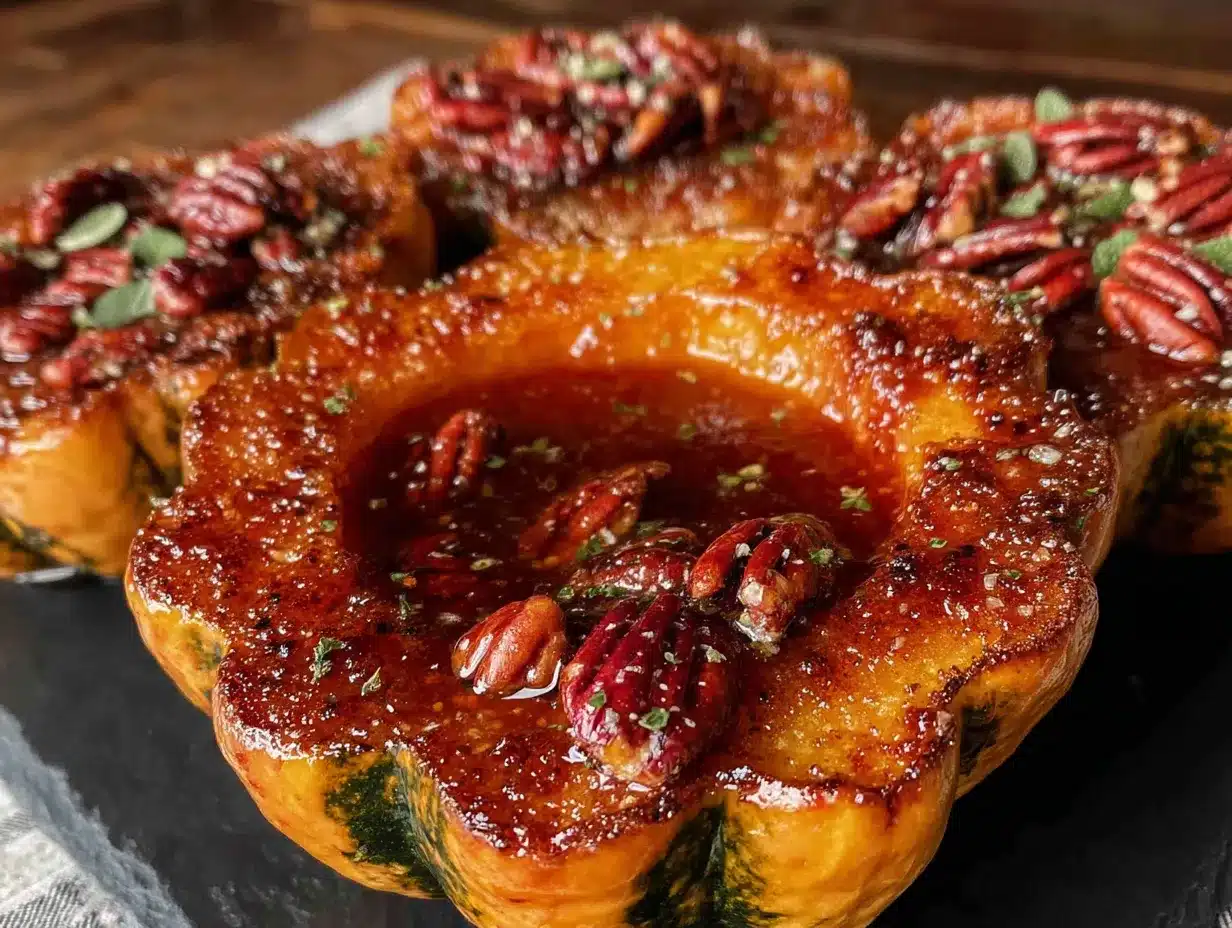
- 4 tablespoons unsalted butter (I use Kerrygold for its rich flavor, but any good quality butter works)
- 1/2 cup pecans, roughly chopped (toast them lightly before adding for extra crunch)
- 2 tablespoons maple syrup (pure maple syrup, not pancake syrup—it makes a difference)
- 1/4 teaspoon salt (to balance the sweetness)
- Pinch of nutmeg (freshly grated if you have it)
- Fresh thyme leaves (optional but lovely for garnish)
A few ingredient tips I’ve learned through trial and error. For the acorn squash, try to pick ones that are similar in size so they roast evenly. If one is much larger than the other, you might end up with one perfectly tender and the other still firm. I learned that the hard way when I brought a sad, undercooked squash to a dinner party.
For the pecans, I recommend buying raw ones and toasting them yourself. Pre-toasted pecans can sometimes taste stale or burnt. Just spread them on a baking sheet and toast at 350°F for about 5-7 minutes until they smell fragrant. Watch them closely—they go from perfectly toasted to burnt in about 30 seconds.
If you’re dairy-free, you can substitute the butter with a good quality plant-based butter. I’ve used Miyoko’s European Style Cultured Vegan Butter with great results. It browns surprisingly well and has that rich, buttery flavor. For a nut-free version, swap the pecans for pepitas (pumpkin seeds) or sunflower seeds—they add a similar crunch.
Equipment Needed
You don’t need much for this recipe, which is part of its beauty. Here’s what you’ll need:
- Large baking sheet (rimmed is best to catch any juices)
- Sharp chef’s knife (acorn squash can be tough to cut—a dull knife is dangerous)
- Large spoon or ice cream scoop (for scooping out the seeds)
- Small skillet or saucepan (for browning the butter)
- Parchment paper (makes cleanup a breeze and prevents sticking)
- Measuring spoons
If you don’t have a rimmed baking sheet, a regular one will work, just be careful of juices spilling over. I’ve used my grandmother’s old, slightly warped baking sheet for years and it still works perfectly. For the brown butter, any small pan will do—just make sure it’s light-colored so you can see the butter change color. A dark pan makes it hard to tell when the butter is properly browned.
One tool I highly recommend is a good vegetable peeler. While you don’t need to peel acorn squash for this recipe (the skin is edible and gets tender when roasted), a peeler is handy if you want to add some thin strips of squash to salads with the leftovers. Just a thought.
Preparation Method
Let me walk you through this step by step. I’ve included all the little details that make the difference between good roasted squash and absolutely unforgettable roasted squash.
- Preheat your oven to 400°F (200°C). Line a large baking sheet with parchment paper for easy cleanup.
- Cut the acorn squash. Using a sharp chef’s knife, carefully cut each squash in half from stem to root end. Be careful—acorn squash can be tough and the knife might slip. If you’re having trouble, you can microwave the whole squash for 2-3 minutes to soften it slightly. Scoop out the seeds and stringy pulp with a large spoon. You can save the seeds to roast separately if you like—they make a great snack.
- Slice into wedges. Cut each half into 1-inch thick wedges. You should get about 4-5 wedges per half, depending on the size of your squash. The wedges should be roughly the same thickness so they roast evenly.
- Season the squash. Place the wedges on the prepared baking sheet. Drizzle with olive oil and sprinkle with salt, pepper, and cinnamon. Use your hands to toss everything together, making sure each wedge is coated. Arrange the wedges in a single layer, cut-side down. This helps them caramelize beautifully.
- Roast the squash. Roast for 25-30 minutes, flipping halfway through. The squash is done when it’s tender and easily pierced with a fork, and the edges are golden brown and caramelized. The exact time will depend on the thickness of your wedges, so start checking at 20 minutes.
- Make the brown butter. While the squash roasts, place the butter in a small skillet or saucepan over medium heat. Let it melt, then continue cooking, swirling the pan occasionally. The butter will foam up, then subside, and you’ll see brown specks forming at the bottom. This takes about 5-7 minutes. Watch it carefully—it can go from perfect to burnt in seconds. When it smells nutty and the specks are golden brown, remove it from the heat immediately.
- Add the pecans and maple syrup. Stir the chopped pecans, maple syrup, salt, and nutmeg into the hot brown butter. The residual heat will toast the pecans slightly and create a glossy, flavorful coating. Set aside.
- Assemble and serve. Arrange the roasted squash wedges on a serving platter. Drizzle the brown butter pecan mixture over the top. Garnish with fresh thyme leaves if using. Serve warm or at room temperature.
A few notes from my many rounds of testing. The flipping step is crucial—don’t skip it. Flipping ensures both sides get that beautiful caramelization. Also, if your squash wedges are different sizes, check the smaller ones first and remove them if they’re done while the larger ones continue roasting. I once forgot to do this and ended up with some perfectly roasted wedges and some that were basically squash mush. Not my finest moment.
For the brown butter, here’s a tip I wish someone had told me earlier: use a light-colored pan so you can actually see the color change. My first few attempts were in a dark non-stick pan and I kept ending up with burnt butter. Also, don’t walk away from it. Brown butter happens fast. I like to keep a cold bowl nearby so I can pour the butter into it the second it’s done, which stops the cooking process immediately.
Cooking Tips & Techniques
I’ve made this recipe enough times to have a few tricks up my sleeve. Let me share what I’ve learned, including the mistakes that taught me the most.
Getting perfect caramelization. The key to those gorgeous golden edges is making sure the squash wedges are dry before you season them. If they’re wet from washing, pat them dry with a kitchen towel. Also, don’t overcrowd the baking sheet. Give each wedge some space so they roast instead of steam. If your baking sheet is too small, use two sheets or roast in batches.
The brown butter secret. I used to think brown butter was this fancy, complicated thing that only professional chefs could master. Turns out, it’s just butter that’s been cooked a little longer. The trick is to use unsalted butter (salted butter can foam unpredictably) and to keep the heat at medium, not high. When the butter starts to foam, that’s your cue to watch it closely. Swirl the pan gently and wait for those brown specks to appear. The smell is your best indicator—it should smell nutty and toasty, like toasted hazelnuts.
Common mistake to avoid. Don’t skip the cinnamon on the squash. I know it might seem like a small detail, but that pinch of cinnamon brings out the natural sweetness of the acorn squash and complements the nutty brown butter perfectly. I once made it without cinnamon because I was out, and it just wasn’t the same. The dish felt flat, like something was missing.
Timing and multitasking. Here’s how I time things: I start the squash roasting first since it takes the longest. When the squash has about 10 minutes left, I start the brown butter. That way, everything finishes around the same time and I can serve it warm. If you’re making this for a dinner party, you can roast the squash ahead of time and reheat it in a 350°F oven for 5-10 minutes before serving. Make the brown butter fresh though—it loses its magic when reheated.
My biggest failure. The first time I made this, I forgot to flip the squash halfway through. The bottoms were burnt and the tops were undercooked. I tried to salvage it by scraping off the burnt parts and microwaving the rest, but it was a disaster. Learn from my mistake—set a timer for 15 minutes and flip those wedges.
Variations & Adaptations
One of the things I love about this recipe is how adaptable it is. Here are some variations I’ve tried and loved.
Savory Herb Version. Skip the cinnamon and maple syrup, and instead add fresh rosemary and sage to the brown butter. Use a tablespoon of balsamic vinegar instead of maple syrup for a tangy, savory twist. This version pairs beautifully with roasted chicken or pork.
Spicy Maple Version. Add a pinch of cayenne pepper or red pepper flakes to the brown butter along with the maple syrup. The heat cuts through the sweetness and adds a lovely warmth. I made this for a Friendsgiving and it was gone in minutes.
Vegan Version. Use a high-quality plant-based butter for the brown butter. I’ve had great results with Miyoko’s brand. The pecans add enough richness that you won’t miss the dairy at all. This version is also naturally gluten-free.
Different Squash Options. Not a fan of acorn squash? You can use butternut squash, delicata squash, or even pumpkin. Just adjust the roasting time based on the size and density of the squash. Delicata squash has thinner skin and roasts faster, so check it at 15 minutes.
Sweet and Salty Version. Add a sprinkle of flaky sea salt (like Maldon) right before serving. The contrast between the sweet maple, nutty brown butter, and salty crunch is absolutely addictive. I do this when I’m serving it to guests who love that sweet-salty combo.
My personal favorite variation is the one with added pomegranate seeds. I sprinkle them over the finished dish along with some fresh mint. The bright, tart pop of the pomegranate cuts through the richness of the brown butter perfectly. It also makes the dish look stunning on a holiday table.
Serving & Storage Suggestions
This dish is best served warm, right after you’ve drizzled the brown butter pecan mixture over the top. The contrast between the warm, tender squash and the crunchy pecans is at its peak in that first 10 minutes. If you’re serving it at a gathering, I recommend assembling it just before your guests sit down.
For presentation, I like to arrange the squash wedges on a large wooden board or a white platter. Drizzle the brown butter mixture in a zigzag pattern over the top, then sprinkle the fresh thyme leaves and a pinch of flaky sea salt. It looks gorgeous and rustic at the same time.
This dish pairs beautifully with roasted chicken, turkey, pork chops, or even a simple lentil loaf for a vegetarian meal. It also works well alongside other fall sides like roasted Brussels sprouts or a warm kale salad. For beverages, a dry Riesling or a spiced apple cider complements the flavors perfectly.
Storage: Leftover roasted squash can be stored in an airtight container in the refrigerator for up to 4 days. The pecans will lose their crunch over time, so if you’re planning to have leftovers, I recommend storing the squash and the topping separately and assembling just before serving.
Reheating: To reheat, place the squash wedges on a baking sheet and warm in a 350°F oven for 5-7 minutes. If you stored the topping separately, you can reheat it gently in a small skillet and drizzle it over the warm squash. Avoid microwaving, as it makes the squash soggy and the pecans rubbery.
Freezing: You can freeze the roasted squash (without the topping) for up to 3 months. Place the cooled wedges in a freezer-safe bag or container. To serve, thaw overnight in the refrigerator, then reheat in the oven as directed. Make fresh brown butter and pecans when you’re ready to serve.
One thing I’ve noticed is that the flavors actually meld together beautifully after a day in the fridge. The squash absorbs some of the maple and brown butter flavors, making it even more delicious. So don’t be afraid to make this a day ahead—just save the topping for the last minute.
Nutritional Information & Benefits
Here’s the approximate nutritional breakdown for one serving (about 1/4 of the recipe):
- Calories: 280
- Fat: 18g
- Carbohydrates: 30g
- Fiber: 5g
- Protein: 4g
- Sugar: 12g (naturally occurring)
Acorn squash is a nutritional powerhouse. It’s packed with vitamin A (great for eye health), vitamin C (immune support), and potassium (heart health). The fiber content helps with digestion and keeps you feeling full and satisfied. Plus, it’s low in calories for how filling it is.
The pecans add healthy fats, protein, and antioxidants. They’re particularly rich in magnesium, which is important for muscle function and sleep quality. And while butter gets a bad rap, small amounts of high-quality butter provide fat-soluble vitamins and healthy saturated fats that are actually good for you in moderation.
This recipe is naturally gluten-free and can easily be made vegan with a butter substitute. It’s also nut-free if you swap the pecans for seeds. The only potential allergen to note is the dairy in the butter, but that’s easily swapped out.
From a wellness perspective, I love that this dish feels indulgent but is actually quite healthy. It’s the kind of recipe that satisfies your craving for something rich and cozy without leaving you feeling heavy or guilty. It’s comfort food that actually nourishes you.
Conclusion
This cozy roasted acorn squash with brown butter and pecans is the kind of recipe that proves simple ingredients can create something truly special. It’s the dish I turn to when I want to impress without stress, when I want to feel the warmth of fall in every bite, and when I need a reminder that sometimes the best things come from making do with what you have.
I hope you’ll make this your own. Maybe you’ll add more cinnamon, or swap the pecans for walnuts, or drizzle a little extra maple syrup on top. That’s the beauty of cooking—you get to make it exactly how you like it. And honestly, that’s probably why that Friendsgiving squash turned out so well. I wasn’t trying to be perfect. I was just cooking with what I had and hoping for the best.
If you make this recipe, I’d love to hear about it. Drop a comment below and let me know how it turned out, or share your own twist on it. And if you’re looking for more cozy fall recipes, check out my roasted butternut squash soup or these maple pecan roasted Brussels sprouts—they’re perfect for rounding out a fall menu. Happy cooking, friends!
Frequently Asked Questions
Can I eat the skin of acorn squash?
Yes! The skin of acorn squash is completely edible and becomes tender when roasted. In fact, leaving the skin on helps the wedges hold their shape better. Some people prefer to peel it, but I think the skin adds nice texture and extra fiber. Just make sure to wash the squash thoroughly before cutting.
Can I make this recipe ahead of time?
Absolutely. You can roast the squash up to 2 days ahead and store it in the refrigerator. When you’re ready to serve, reheat the squash in a 350°F oven for 5-7 minutes and make the brown butter pecan topping fresh. The topping is best made right before serving because the pecans stay crunchier that way.
What can I use instead of pecans?
If you don’t have pecans or want to try something different, walnuts are a great substitute. They have a similar crunch and pair well with brown butter. For a nut-free version, try pepitas (pumpkin seeds) or sunflower seeds. You can also use sliced almonds for a milder flavor.
Can I use butternut squash instead of acorn squash?
Yes, butternut squash works well in this recipe. The main difference is that butternut squash is denser and will take a bit longer to roast—about 5-10 minutes more. You’ll also want to peel butternut squash since its skin is tougher than acorn squash skin. Cut it into similar-sized cubes or wedges for even roasting.
How do I know when the brown butter is done?
The best way to tell is by color and smell. When the butter turns a golden-brown color and smells nutty and toasty, it’s done. You’ll also see small brown specks forming at the bottom of the pan. The whole process takes about 5-7 minutes over medium heat. Watch it carefully—once it turns dark brown, it’s burnt and will taste bitter.
Pin This Recipe!
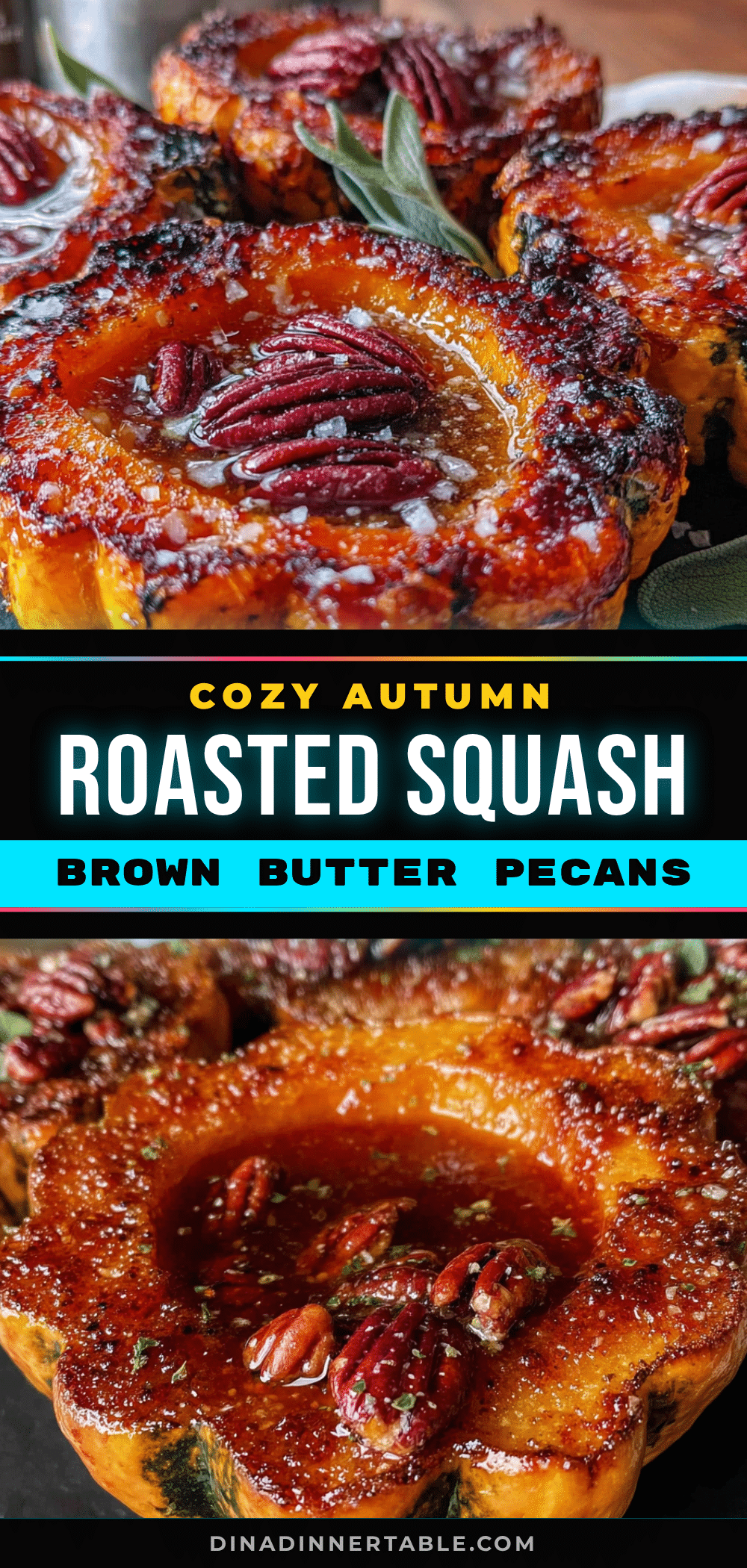
Cozy Roasted Acorn Squash with Brown Butter & Pecans
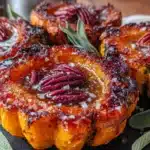
This cozy roasted acorn squash with brown butter and pecans is the perfect fall side dish. Sweet, caramelized squash wedges are drizzled with nutty brown butter, crunchy pecans, and a touch of maple syrup for an unforgettable flavor combination that comes together in under 45 minutes.
- Prep Time: 15 minutes
- Cook Time: 30 minutes
- Total Time: 45 minutes
- Yield: 4 servings 1x
- Category: Side Dish
- Cuisine: American
Ingredients
- 2 medium acorn squash
- 2 tablespoons olive oil
- 1/2 teaspoon kosher salt
- 1/4 teaspoon black pepper, freshly ground
- 1/4 teaspoon cinnamon
- 4 tablespoons unsalted butter
- 1/2 cup pecans, roughly chopped
- 2 tablespoons pure maple syrup
- 1/4 teaspoon salt
- Pinch of nutmeg, freshly grated if possible
- Fresh thyme leaves for garnish (optional)
Instructions
- Preheat your oven to 400°F (200°C). Line a large baking sheet with parchment paper.
- Cut each acorn squash in half from stem to root end using a sharp chef’s knife. Scoop out seeds and stringy pulp with a large spoon.
- Cut each half into 1-inch thick wedges (about 4-5 wedges per half).
- Place wedges on prepared baking sheet. Drizzle with olive oil and sprinkle with salt, pepper, and cinnamon. Toss to coat evenly. Arrange wedges in a single layer, cut-side down.
- Roast for 25-30 minutes, flipping halfway through, until tender and golden brown on edges.
- While squash roasts, make the brown butter: Place butter in a small skillet or saucepan over medium heat. Melt and cook, swirling occasionally, until butter foams, then subsides, and brown specks form at the bottom (about 5-7 minutes). Remove from heat immediately when it smells nutty and specks are golden brown.
- Stir chopped pecans, maple syrup, salt, and nutmeg into the hot brown butter.
- Arrange roasted squash wedges on a serving platter. Drizzle brown butter pecan mixture over the top. Garnish with fresh thyme leaves if using. Serve warm or at room temperature.
Notes
For best caramelization, pat squash wedges dry before seasoning. Use a light-colored pan for browning butter to easily see color change. Don’t walk away from the brown butter—it can burn quickly. For dairy-free, use plant-based butter like Miyoko’s. For nut-free, substitute pecans with pepitas or sunflower seeds. Leftover squash can be stored in an airtight container in the refrigerator for up to 4 days; store topping separately for best crunch.
Nutrition
- Serving Size: 1/4 of recipe
- Calories: 280
- Sugar: 12
- Sodium: 450
- Fat: 18
- Saturated Fat: 7
- Carbohydrates: 30
- Fiber: 5
- Protein: 4
Keywords: roasted acorn squash, brown butter, pecans, fall side dish, Thanksgiving, easy, vegetarian, gluten-free