The holiday potluck was in three hours and I’d completely forgotten. Everyone else would be bringing those elaborate layered desserts or slow-cooked everything that had probably been marinating for days. I had a bottle of decent but not fancy white wine, one pomegranate that was starting to look a little sad, and a carton of apple cider I’d bought on a whim. Not exactly the makings of a showstopper. I mean, I couldn’t exactly walk in with a store-bought pie, could I?
So there I was, staring at my sparse kitchen counter, feeling that familiar knot of panic. Maybe you’ve been there—the clock is ticking, and you need to bring something that doesn’t scream “I gave up.” I started throwing things together, honestly just hoping it would be drinkable. I sliced the pomegranate, cracked it open (and got juice all over my favorite sweater, let me tell you), poured in the cider, and added a few slices of apple I found in the crisper drawer. It was a Hail Mary, plain and simple.
At the party, I set the pitcher down with a sheepish shrug, mumbling something about “last-minute experiment.” People filled their cups politely. Then they went back for seconds. Then someone asked for the recipe. By the end of the night, the pitcher was empty, and I had three people telling me it was the best thing at the potluck. Honestly, I was as surprised as anyone. The best part? It wasn’t heavy or syrupy like some winter drinks can be. It was light, crisp, and just sweet enough. That’s the thing about this light winter sangria—it doesn’t try too hard. It just works. And that’s why I keep making it, long after that panicked afternoon.
Why You’ll Love This Light Winter Sangria
Let’s be real for a second. Winter cocktails can be a bit much sometimes. All that heavy cream, the extra sugar, the spices that feel like you’re drinking a candle. This light winter sangria is the opposite of all that. It’s refreshing without being boring, and festive without being fussy. Here’s why it’s earned a permanent spot in my holiday rotation:
- Quick & Easy: This comes together in about 10 minutes. No simmering, no complicated syrups, no special equipment. Just chop, pour, and stir.
- Simple Ingredients: You probably have most of this in your kitchen right now. A crisp white wine, some apple cider, a pomegranate, and an orange. That’s it.
- Perfect for Gatherings: Holiday parties, Friendsgiving, New Year’s Eve, or even a quiet Tuesday night. It’s fancy enough for company but easy enough for a random weeknight.
- Crowd-Pleaser: I’ve served this to everyone from my health-conscious sister to my uncle who only drinks beer. Every single person has asked for a refill.
- Unbelievably Delicious: The pomegranate seeds add these little bursts of tartness, the apple cider gives it a cozy sweetness, and the wine keeps it light. The combo is honestly perfect.
What makes this different from every other sangria recipe out there? It’s the balance. Most winter sangrias are heavy on the sugar or the spice. This one lets the fruit do the talking. The pomegranate and apple cider are sweet enough on their own, so you don’t need a ton of added sugar. Plus, using a dry white wine keeps it from feeling like juice. It’s a grown-up drink that still feels fun and festive. I’ve tested this with a few different wine varieties, and I’ll share my favorites below, but the basic formula is foolproof. It’s the kind of drink that makes you close your eyes after the first sip—not because it’s complicated, but because it just tastes right.
Ingredients You Will Need
This recipe uses simple, fresh ingredients to create a drink that’s way more than the sum of its parts. Most of these are pantry staples during the winter months, and everything is easy to find at any grocery store.
- 1 bottle (750 ml) dry white wine (I recommend Sauvignon Blanc or Pinot Grigio for their crispness; avoid oaky Chardonnay as it can clash with the fruit)
- 1 ½ cups apple cider (unfiltered is best for a richer flavor; look for one with no added sugar if possible)
- ½ cup pomegranate juice (100% juice, no added sugar; POM Wonderful is my go-to brand)
- 1 large pomegranate (seeds removed; you’ll use about ¾ cup of seeds for the drink and a few for garnish)
- 1 large apple (Honeycrisp or Fuji work great; thinly sliced into half-moons)
- 1 orange (thinly sliced into rounds, then quartered)
- 1 cinnamon stick (optional, but adds a lovely warming note)
- 2 tablespoons honey or maple syrup (optional; only if you prefer a sweeter sangria)
- Ice (for serving; or chill the sangria for 2-4 hours before serving)
Ingredient Tips: When picking a pomegranate, look for one that feels heavy for its size and has a deep red color. The heavier it is, the juicier it will be. For the apple cider, I really recommend getting the unfiltered kind if you can find it. It has a cloudier appearance but a much deeper, more complex apple flavor. If you’re using honey, go for a mild one like clover honey so it doesn’t overpower the fruit. And if you’re watching your sugar intake, honestly, you can skip the sweetener entirely. The fruit and cider provide plenty of natural sweetness.
Substitutions: For a non-alcoholic version, swap the white wine for sparkling water or a dry sparkling white grape juice. For a gluten-free option, just make sure your apple cider is certified gluten-free (most are). You can also swap the pomegranate juice for cranberry juice if that’s what you have on hand—it gives a slightly tarter flavor but works beautifully.
Equipment Needed
You don’t need much for this recipe, which is part of the beauty of it. Here’s what you’ll need:
- A large pitcher (at least 2-quart capacity; glass is best so you can see the pretty layers of fruit)
- A sharp knife (for slicing the apple and orange, and for cutting the pomegranate)
- A cutting board
- A wooden spoon (for stirring; a silicone spatula works too)
- A small bowl (for holding the pomegranate seeds as you remove them)
- A measuring cup (for the apple cider and pomegranate juice)
If you don’t have a large pitcher, you can use a large bowl and ladle the sangria into glasses. It’s not as pretty, but it works just fine. For the pomegranate, I used to struggle with getting the seeds out without making a mess. I’ve found that cutting it in half and then tapping the back of the half with a wooden spoon over a bowl works like a charm. The seeds just fall right out. If you have a citrus reamer, you can also use it to juice the pomegranate halves if you want fresh juice, but store-bought juice is totally fine for this recipe.
Preparation Method
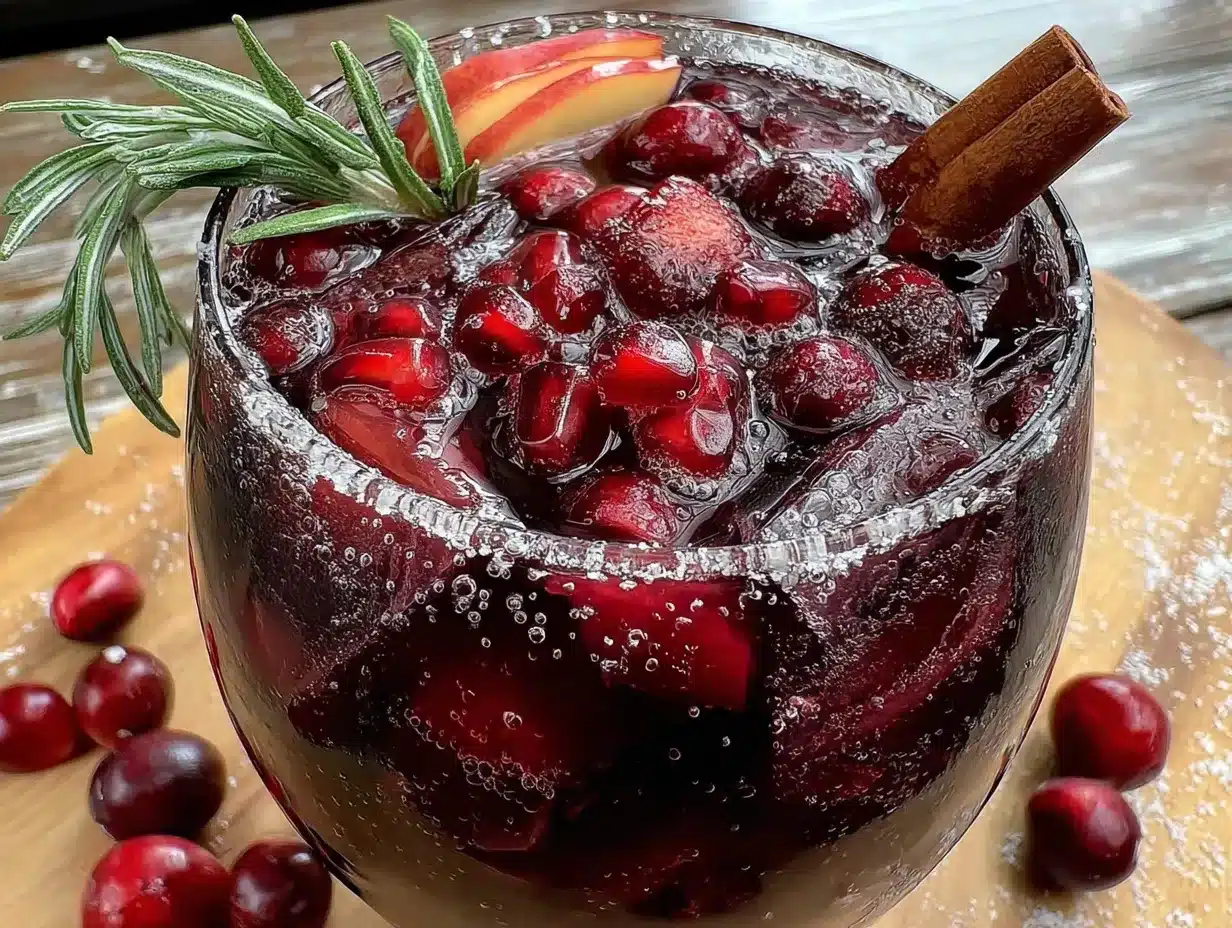
This is where the magic happens. Follow these steps, and you’ll have a pitcher of light winter sangria that’ll make you look like you planned ahead. (Even if you didn’t.)
- Prepare the pomegranate (5 minutes): Cut the pomegranate in half horizontally. Hold one half cut-side down over a bowl and tap the back firmly with a wooden spoon. The seeds should fall out easily. Repeat with the other half. Pick out any white pith that falls in. Set aside about ¼ cup of seeds for garnish.
- Slice the fruit (5 minutes): Core the apple and slice it thinly into half-moons. You want the slices thin enough that they’ll release some flavor into the sangria but thick enough that they won’t fall apart. Slice the orange into thin rounds, then cut each round into quarters. If you prefer, you can leave the orange slices whole for a prettier presentation.
- Combine the liquids (2 minutes): In your large pitcher, pour in the bottle of white wine, the apple cider, and the pomegranate juice. If you’re using honey or maple syrup, add it now and stir until it’s fully dissolved. Give it a taste—it should be slightly sweet but still crisp.
- Add the fruit and cinnamon (2 minutes): Gently add the pomegranate seeds (except the reserved garnish), the apple slices, and the orange pieces to the pitcher. Drop in the cinnamon stick if you’re using one. Stir everything gently with your wooden spoon to combine.
- Chill (2-4 hours, or overnight): This is the hardest part. Cover the pitcher with plastic wrap or a lid and place it in the refrigerator. Let it chill for at least 2 hours, but 4 hours is better. Overnight is ideal. The flavors really meld together and the fruit infuses the wine beautifully. If you’re in a rush, you can serve it immediately over ice, but the flavor won’t be as developed.
- Serve (5 minutes): When you’re ready to serve, give the sangria a gentle stir. Fill glasses with ice (if you didn’t chill the sangria) or just pour directly if it’s been chilling. Garnish each glass with a few of the reserved pomegranate seeds and maybe a fresh apple slice or orange piece from the pitcher. Serve immediately.
Pro Tip: If you’re serving this at a party, I like to make a double batch and keep the second pitcher chilling in the fridge. It goes fast, trust me. Also, don’t skip the chilling step if you can help it. The first time I made this, I was impatient and served it right away. It was good, but the next day when I had the leftovers? It was incredible. The fruit had softened slightly and released all its flavor into the wine. Patience pays off here.
Cooking Tips & Techniques
I’ve made this light winter sangria more times than I can count, and I’ve learned a few things along the way. Here are my best tips for getting it perfect every time:
Choose the right wine. This is the most important tip. You want a dry white wine—something crisp and not too fruity. Sauvignon Blanc is my top pick because it has a nice acidity that balances the sweetness of the apple cider and pomegranate juice. Pinot Grigio works great too. Avoid anything oaky or buttery, like a Chardonnay. It’ll clash with the fruit and make the sangria taste heavy. And please, don’t use cooking wine. Just get a decent $10-12 bottle. You don’t need anything fancy, but you also don’t want something that tastes like regret.
Don’t oversweeten. I know it’s tempting to add a lot of honey or sugar, but resist the urge. The apple cider and pomegranate juice are already sweet. The fruit will release more sweetness as it sits. Start with no sweetener at all, taste it after it’s chilled, and then add a little if you think it needs it. I usually don’t add any, and nobody has ever complained.
Use a sharp knife for the fruit. This sounds obvious, but a dull knife will bruise the apple and orange slices, making them look mushy in the pitcher. Take the extra 30 seconds to sharpen your knife or use a good one. The presentation matters, especially if you’re serving this to guests.
Make it ahead. This sangria actually gets better after a day in the fridge. The fruit infuses the wine, and the flavors become more cohesive. I often make it the night before a party. Just add the ice right before serving so it doesn’t water down. If you’re making it more than 24 hours in advance, you might want to add the apple slices a little later, as they can get a bit soft. The pomegranate seeds hold up beautifully for days.
One mistake I made: The first time I made this, I used a sweet Riesling because I thought “more sweet = more better.” Big mistake. The sangria ended up tasting like candy. It was way too cloying. Learn from my error—dry wine is the way to go.
Variations & Adaptations
This recipe is a great base, and I’ve played around with it quite a bit. Here are some of my favorite variations:
Sparkling Winter Sangria: Replace half the white wine with sparkling water or club soda. It makes the sangria lighter and fizzier, perfect for New Year’s Eve. Just add the sparkling water right before serving so it doesn’t go flat.
Spiced Winter Sangria: Add 2-3 whole cloves and a star anise along with the cinnamon stick. It gives the sangria a cozy, almost mulled wine vibe without being heavy. I love this version for Christmas parties. Just remember to warn your guests about the whole spices so they don’t accidentally bite into a clove.
Berry Winter Sangria: Toss in a handful of frozen cranberries or fresh blueberries along with the other fruit. The cranberries add a beautiful pop of color and a tartness that cuts through the sweetness. Plus, they look gorgeous floating in the pitcher.
Non-Alcoholic Version: This is perfect for designated drivers or anyone who doesn’t drink. Replace the white wine with a combination of sparkling water (2 cups) and a dry white grape juice (1 cup). The rest of the recipe stays the same. It’s just as flavorful and refreshing.
Low-Sugar Version: Use a dry wine, skip the honey or maple syrup, and use a no-sugar-added apple cider. The fruit provides enough natural sweetness. I’ve made this for my mom who’s watching her sugar intake, and she loved it.
My personal favorite variation: I tried adding a splash of bourbon once (about 2 tablespoons) and it was incredible. It added this warm, slightly smoky note that paired beautifully with the apple cider. Just don’t overdo it—you want the bourbon to be a background note, not the main event.
Serving & Storage Suggestions
Serving: Serve this light winter sangria well-chilled. If you’ve chilled the pitcher, you can pour it straight into glasses without ice. If you’re serving it immediately, fill each glass with ice cubes first. I like to use clear glass cups or wine glasses so you can see the beautiful red and green colors of the fruit. It’s such a pretty drink.
For a festive touch, garnish each glass with a few extra pomegranate seeds and a thin apple slice. You can also add a small cinnamon stick to each glass for aroma. It looks like something from a fancy cocktail menu, but it took you 10 seconds.
What to serve with it: This sangria pairs beautifully with a cheese board—think sharp cheddar, creamy brie, and some salty crackers. It also goes great with roasted nuts, light appetizers like bruschetta, or even a simple salad. For a main course, try it alongside roasted chicken or pork tenderloin. The crispness of the sangria cuts through the richness of the meat perfectly.
Storage: Leftover sangria can be stored in the covered pitcher in the refrigerator for up to 3 days. The flavors will continue to develop, and it might even taste better on day two. The fruit will soften over time, but that’s fine—it just means the flavor has infused more deeply into the wine. If you’re storing it, you can remove the cinnamon stick after the first day so it doesn’t become too strong.
Reheating? No, this is a cold drink. Don’t heat it up. If you want a hot winter drink, make mulled wine instead.
Freezing: I don’t recommend freezing this sangria. The wine and fruit won’t thaw well, and the texture will be off. Just make a fresh batch when you want it—it’s so quick, there’s no need to freeze.
Nutritional Information & Benefits
This light winter sangria is a healthier option compared to many holiday cocktails. Here’s the estimated nutritional breakdown per serving (based on 6 servings, without added sweetener):
- Calories: ~150
- Carbohydrates: 18g
- Sugar: 14g (from fruit and cider, no added sugar)
- Fat: 0g
- Protein: 1g
- Vitamin C: 15% of daily value
- Antioxidants: High (from pomegranate and apple)
Health Benefits: Pomegranates are packed with antioxidants called punicalagins, which are great for heart health. Apple cider (the non-alcoholic kind) contains polyphenols that may help with blood sugar regulation. And of course, the fruit provides fiber and vitamins. This isn’t a health drink by any means, but it’s a much better choice than a sugar-laden cocktail or a heavy eggnog. It’s a drink you can feel good about sipping.
Dietary Considerations: This recipe is naturally vegan and dairy-free. It’s also gluten-free as long as you use a gluten-free wine and apple cider. If you’re watching your sugar intake, skip the honey or maple syrup and use a dry wine. For a lower-alcohol version, use a wine with a lower ABV or add more sparkling water.
Potential Allergens: Wine can contain sulfites, which some people are sensitive to. If that’s a concern, look for a sulfite-free wine. Otherwise, this recipe is free of the top eight allergens.
My take: I love that this sangria lets me enjoy a festive drink without feeling like I’ve derailed my healthy eating. It’s proof that you don’t need a ton of sugar or heavy ingredients to make something delicious. It’s all about letting the fruit shine.
Conclusion
So there you have it—a light winter sangria that started as a panicked last-minute experiment and turned into my most-requested holiday recipe. It’s proof that you don’t need a fancy kitchen or a ton of time to make something that tastes like you put in real effort. Sometimes the best things come from throwing together whatever you have and hoping for the best.
I really hope you give this one a try. Whether you’re hosting a big holiday party or just want something special for a quiet night in, this sangria delivers. And don’t be afraid to play around with it—swap in different fruits, adjust the sweetness, or add a little spice. Make it your own. That’s the beauty of a recipe like this.
If you do make it, I’d love to hear how it turned out! Drop a comment below and let me know what variations you tried. Did you add something unexpected? Did it disappear at your party as fast as it did at mine? Share your stories—I read every single comment. And if you’re looking for more easy, crowd-pleasing recipes, be sure to check out my crispy garlic chicken or my simple fall salad with maple vinaigrette for a complete meal idea. Cheers, friends!
Frequently Asked Questions
Can I make this light winter sangria ahead of time?
Absolutely! In fact, I recommend it. Make the sangria up to 24 hours in advance and keep it covered in the refrigerator. The flavors will meld together beautifully. Just add ice right before serving so it doesn’t get watered down. If you’re making it more than 24 hours ahead, consider adding the apple slices closer to serving time so they stay crisp.
What’s the best wine to use for a light winter sangria?
A dry white wine like Sauvignon Blanc or Pinot Grigio works best. You want something crisp and not too fruity. Avoid oaky wines like Chardonnay, as they can clash with the fruit flavors. A decent $10-12 bottle is perfect—no need to break the bank, but skip the cooking wine or anything that tastes harsh on its own.
Can I use red wine instead of white wine?
You can, but it will change the flavor profile significantly. If you use a light red like Pinot Noir, you’ll get a more traditional sangria that’s still fairly light. A heavier red like Cabernet Sauvignon will make it much richer and less “light.” If you’re going the red route, I’d recommend reducing the apple cider slightly and adding a bit more pomegranate juice for balance.
How do I remove pomegranate seeds without making a mess?
Cut the pomegranate in half horizontally. Hold one half cut-side down over a bowl. Tap the back firmly with a wooden spoon—the seeds will fall right out. This method is way less messy than trying to pick them out with your fingers. Just watch out for the juice that might splash! I learned that the hard way with my favorite sweater.
Can I make this non-alcoholic?
Yes! Simply replace the white wine with sparkling water or a dry sparkling white grape juice. For a more complex flavor, use a combination of both. The rest of the recipe stays the same. It’s just as delicious and perfect for anyone who doesn’t drink alcohol or for a family-friendly gathering.
Pin This Recipe!
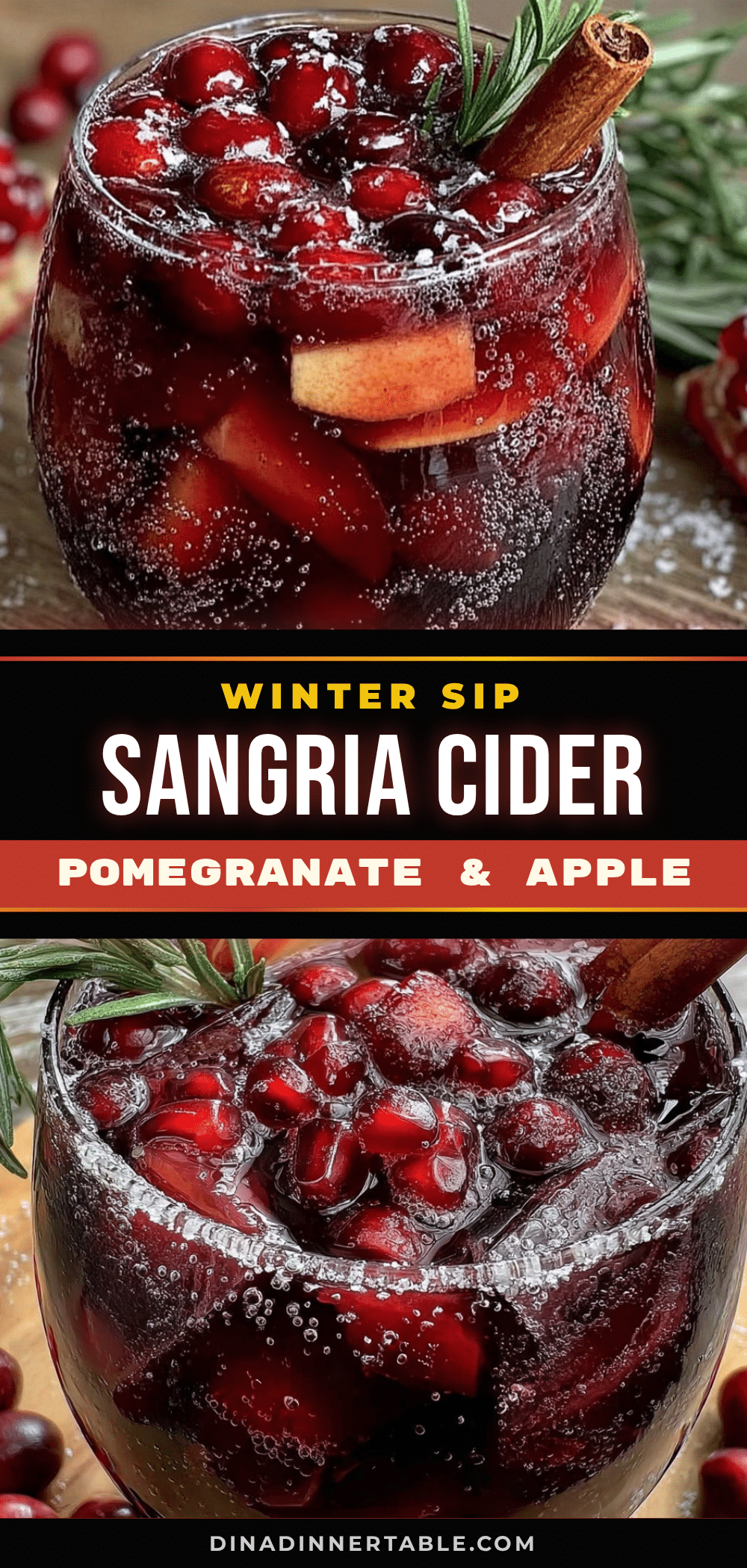
Light Winter Sangria: Easy Pomegranate Apple Cider Recipe
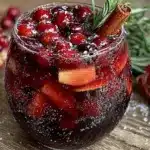
A refreshing, light winter sangria made with white wine, apple cider, pomegranate, and fresh fruit. Perfect for holiday gatherings and easy to make in just 10 minutes.
- Prep Time: 10 minutes
- Cook Time: 0 minutes
- Total Time: 2 hours 10 minutes (includes chilling time)
- Yield: 6 servings 1x
- Category: Beverage
- Cuisine: American
Ingredients
- 1 bottle (750 ml) dry white wine (Sauvignon Blanc or Pinot Grigio recommended)
- 1 ½ cups apple cider (unfiltered preferred)
- ½ cup pomegranate juice (100% juice, no added sugar)
- 1 large pomegranate (seeds removed, about ¾ cup for drink plus garnish)
- 1 large apple (Honeycrisp or Fuji, thinly sliced into half-moons)
- 1 orange (thinly sliced into rounds, then quartered)
- 1 cinnamon stick (optional)
- 2 tablespoons honey or maple syrup (optional, for sweeter sangria)
- Ice (for serving)
Instructions
- Prepare the pomegranate: Cut the pomegranate in half horizontally. Hold one half cut-side down over a bowl and tap the back firmly with a wooden spoon to release the seeds. Repeat with the other half. Pick out any white pith. Set aside about ¼ cup of seeds for garnish.
- Slice the fruit: Core the apple and slice it thinly into half-moons. Slice the orange into thin rounds, then cut each round into quarters.
- Combine the liquids: In a large pitcher, pour the white wine, apple cider, and pomegranate juice. If using honey or maple syrup, add it now and stir until dissolved.
- Add the fruit and cinnamon: Gently add the pomegranate seeds (except reserved garnish), apple slices, and orange pieces to the pitcher. Add the cinnamon stick if using. Stir gently to combine.
- Chill: Cover the pitcher and refrigerate for at least 2 hours, preferably 4 hours or overnight, to allow flavors to meld.
- Serve: Stir gently. Fill glasses with ice (if not pre-chilled) or pour directly if chilled. Garnish each glass with reserved pomegranate seeds and a fresh apple slice or orange piece. Serve immediately.
Notes
For best flavor, chill for at least 4 hours or overnight. The sangria can be stored in the refrigerator for up to 3 days. For a non-alcoholic version, replace white wine with sparkling water or dry sparkling white grape juice. For a sparkling version, replace half the wine with sparkling water added just before serving.
Nutrition
- Serving Size: 1 glass (about 8 oz)
- Calories: 150
- Sugar: 14
- Sodium: 10
- Carbohydrates: 18
- Fiber: 1
- Protein: 1
Keywords: light winter sangria, pomegranate apple cider sangria, easy sangria recipe, holiday sangria, white wine sangria