My brother-in-law Mark had claimed to hate champagne for fifteen years. Fifteen years. Every New Year’s Eve, every wedding toast, every birthday brunch—he’d wave it away with this practiced disdain, muttering something about “fizzy headache juice” and reaching for a beer instead. Then last Christmas Eve, I caught him. I’d made a batch of this pomegranate champagne punch “just for the adults” (wink), stepped away to answer my phone, and came back to find him standing at the kitchen counter, holding a second glass, with this look on his face like he’d been caught sneaking cookies before dinner. “It’s not champagne,” he said defensively, gesturing with the glass. “It’s… festive.” I didn’t say a word. I just refilled the pitcher and went back to basting the turkey. Honestly, that moment was the best Christmas gift I got all year.
This sparkling pomegranate champagne punch has a way of doing that—converting people who think they don’t like bubbly, or punch, or even holiday drinks in general. It’s not too sweet, not too tart, and it doesn’t give you that syrupy hangover the next morning. The pomegranate juice adds this deep ruby color that catches the Christmas lights just right, and the champagne keeps it light and celebratory without being overwhelming. I mean, let’s face it—holiday hosting is stressful enough without worrying about whether your signature drink will actually be drinkable. This one works. Every single time.
Maybe you’ve been there—standing in the grocery store aisle at 4 PM on Christmas Eve, grabbing a bottle of something you’re not even sure people will like, just hoping for the best. That was me three years ago. Now I make this punch ahead of time, keep the champagne separate until the last minute, and actually get to enjoy the party instead of playing bartender all night. There’s something deeply satisfying about watching guests go back for a second pour, especially the ones who swore they weren’t “punch people.” This recipe stayed with me because it proved that sometimes the simplest things are the ones that win everyone over.
Why You’ll Love This Recipe
Let me tell you why this sparkling pomegranate champagne punch has become my non-negotiable Christmas tradition. After testing about seven different versions over the years (some were disasters, let me tell you), this one came out on top—and it’s been family-approved, neighbor-approved, and even in-law-approved.
- Quick & Easy : Comes together in under 10 minutes, which is basically a miracle during the chaos of Christmas prep. No simmering syrups, no muddling herbs, no complicated layering.
- Simple Ingredients : You only need five ingredients, and three of them are probably already in your fridge or pantry. No hunting down obscure liqueurs or specialty syrups.
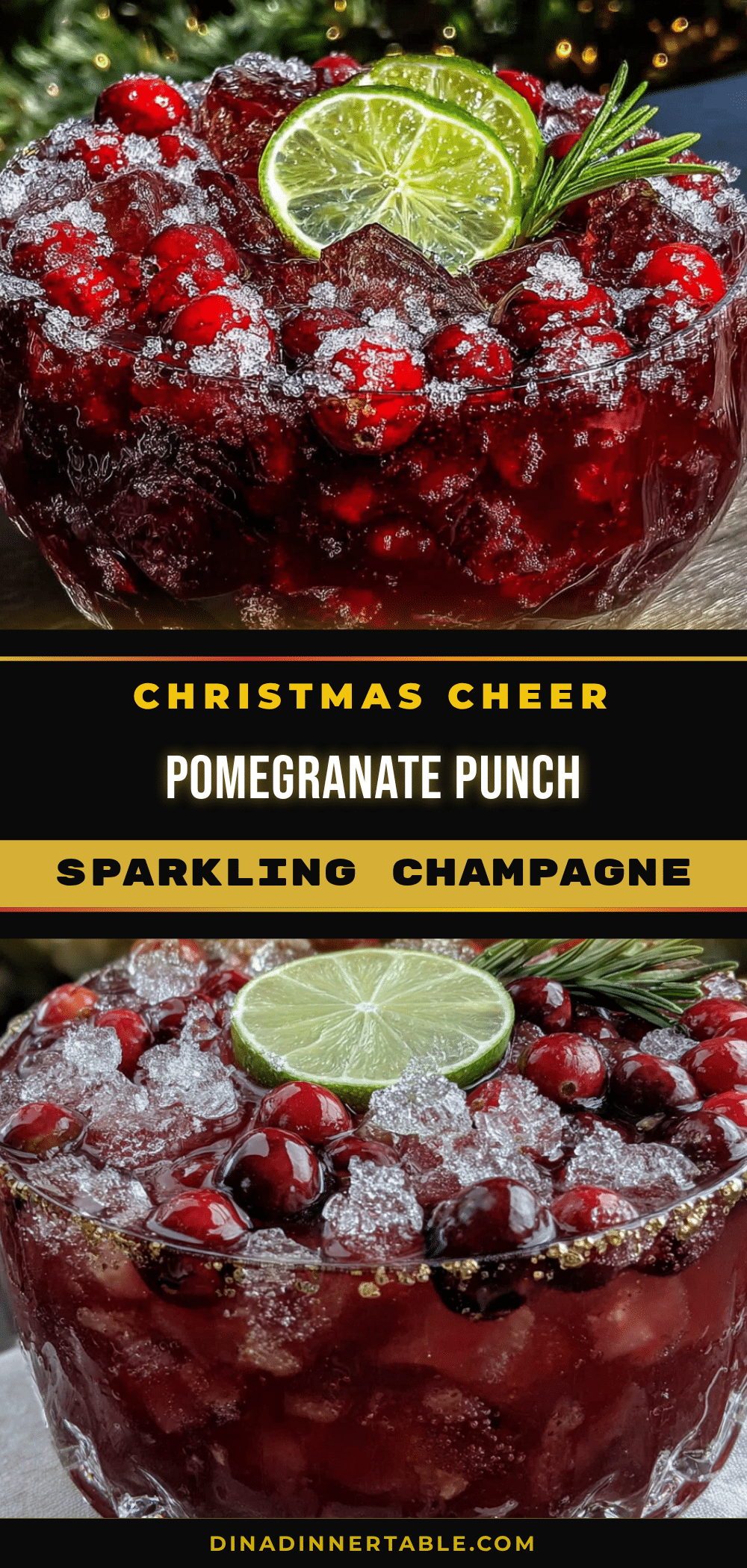
- Perfect for Christmas : The deep red color with floating pomegranate arils looks stunning in a glass pitcher or punch bowl. It’s basically Christmas in a cup.
- Crowd-Pleaser : I’ve served this to everyone from my picky aunt who “doesn’t do sweet drinks” to my college-aged cousin, and it gets rave reviews across the board.
- Unbelievably Delicious : The balance of tart pomegranate, bright citrus, and dry champagne creates this refreshing complexity that’s way more interesting than plain bubbly.
What makes this recipe different from the rest is the ratio. Most champagne punches are either cloyingly sweet or so tart they make your cheeks hurt. I spent a solid month tweaking the proportions—using fresh orange juice instead of bottled, opting for 100% pomegranate juice rather than a juice blend, and finding the perfect balance with a dry brut champagne rather than something sweet. The result is a punch that’s sophisticated enough for adults but approachable enough that even the champagne-haters in your life will come back for seconds.
This isn’t just another holiday punch recipe. It’s the kind of drink that makes you stop mid-conversation and look down at your glass with genuine surprise. It’s comfort in a glass—festive, familiar, but somehow elevated. Perfect for impressing guests without any stress, or turning a simple Christmas Eve gathering into something genuinely memorable.
What Ingredients You Will Need
This recipe uses simple, fresh ingredients to deliver a bold, celebratory flavor without any fuss. The magic is really in the quality of each component and how they work together.
- Pomegranate juice, 2 cups (480 ml) – Use 100% pomegranate juice, not a juice blend or cocktail mix. I personally prefer POM Wonderful for its deep, authentic flavor and vibrant color. Look for juice that’s dark ruby red and not too thin. (Adds that gorgeous color and tart-sweet base)
- Brut champagne or sparkling wine, 1 bottle (750 ml), chilled – A dry brut is essential here. Don’t use a sweet sparkling wine like Moscato or Prosecco Extra Dry—the punch will end up too sugary. I like a good Cava or a mid-range French brut. (Provides the bubbles and balances the sweetness)
- Fresh orange juice, 1 cup (240 ml), freshly squeezed – This makes a huge difference. Bottled orange juice has a cooked, flat flavor that throws off the whole punch. Squeeze 3-4 oranges right before you start. (Adds brightness and a citrusy lift)
- Pomegranate arils, 1/2 cup (85 g) – These are the seeds from inside the pomegranate. You can buy them pre-packaged at most grocery stores (in the produce section) or deseed a pomegranate yourself. They float beautifully in the punch and add a lovely texture. (Gives that festive pop and visual appeal)
- Orange slices, 1 large orange, thinly sliced into rounds – Use a sharp knife and cut them about 1/4 inch thick. They’ll float on top and look gorgeous. (Adds visual garnish and a hint of citrus oil to the surface)
- Optional: Simple syrup, 2-4 tablespoons (30-60 ml) – Only if you like a sweeter punch. Make your own by dissolving equal parts sugar and water over low heat. I usually skip this because the pomegranate juice and orange juice provide enough sweetness for me. (Adjusts sweetness level to your preference)
- Optional: Fresh mint sprigs, for garnish – Adds a beautiful green contrast and a subtle herbal note. Smack the sprigs between your palms before adding to release the oils. (Elevates presentation and adds a fresh aroma)
- Ice, as needed – Use large ice cubes or an ice ring if you can. They melt slower and won’t dilute the punch as quickly. (Keeps everything cold without watering it down)
Substitution Guidance
If you can’t find pomegranate juice, try cranberry juice (100% juice, not cocktail) for a similar tart-sweet profile—though the color will be slightly different. For a non-alcoholic version, swap the champagne with a good quality sparkling water or non-alcoholic sparkling wine. Just know the flavor will be lighter and less complex. If you’re avoiding citrus, you can replace the fresh orange juice with a splash of orange blossom water and more pomegranate juice, though it won’t have the same brightness. For a lower-sugar option, use a dry sparkling wine and skip the simple syrup entirely—the natural fruit sweetness is usually enough.
Equipment Needed
You don’t need anything fancy for this sparkling pomegranate champagne punch, which is part of the beauty. Here’s what you’ll want on hand:
- Large pitcher or punch bowl – A 2-quart (2-liter) pitcher works perfectly. I use a glass one so the beautiful red color shows through. If you’re using a punch bowl, make sure it’s big enough to hold all the liquid plus ice.
- Measuring cups and spoons – Standard set for accuracy. I’ve learned the hard way that eyeballing the pomegranate juice can lead to a too-tart punch.
- Citrus juicer – A simple hand-held reamer or a citrus press makes squeezing those oranges much easier. I have a cheap plastic one that’s served me well for years.
- Sharp knife and cutting board – For slicing the oranges into thin, even rounds. A serrated knife works best for citrus.
- Large ice cube tray or ice ring mold – Regular ice cubes work fine, but larger cubes or an ice ring melt slower. I use a silicone bundt pan to make a decorative ice ring with pomegranate arils frozen inside—it’s a showstopper.
- Bar spoon or long-handled spoon – For stirring everything together gently without crushing the fruit.
Budget-friendly alternatives: No punch bowl? A large glass mixing bowl works perfectly. No citrus juicer? Just roll the oranges firmly on the counter before cutting them in half, then squeeze by hand—you’ll get most of the juice out. No fancy ice molds? Regular ice cubes in a zip-top bag work just fine. The punch will still taste amazing.
Preparation Method
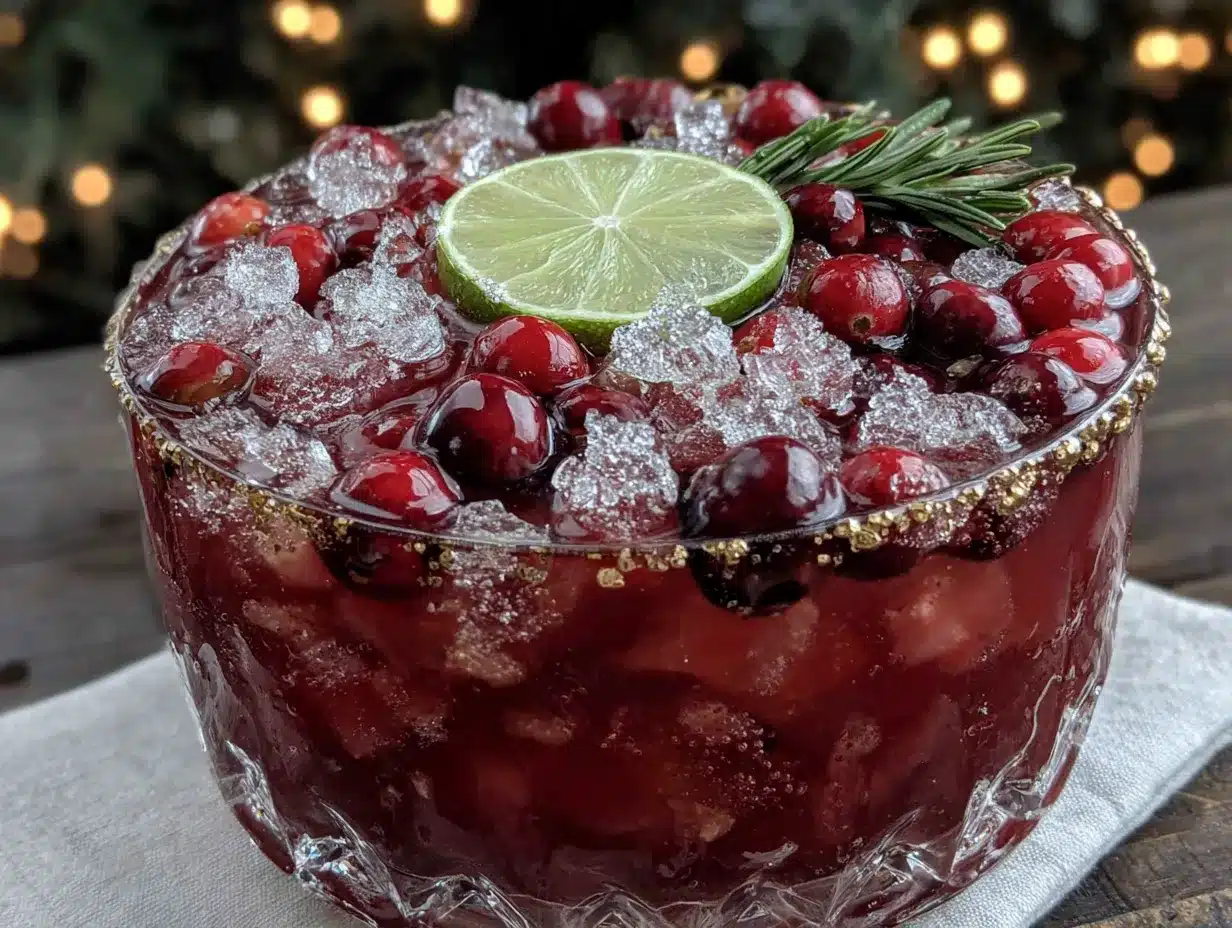
Here’s how to make this sparkling pomegranate champagne punch, step by step. The key is to keep everything cold and add the champagne right before serving so you don’t lose the bubbles.
- Chill everything in advance. At least 2 hours before you plan to serve, put the pomegranate juice, champagne, and oranges in the refrigerator. I also chill the pitcher. Cold ingredients mean less ice, which means less dilution. Trust me on this one—I learned the hard way after serving watery punch at a party once. Never again.
- Make an ice ring (optional but gorgeous). If you’re feeling fancy, pour about 1/2 cup of pomegranate juice into a small bundt pan or ring mold. Scatter in a handful of pomegranate arils and a few thin orange slices. Freeze for at least 4 hours or overnight. When you’re ready to serve, unmold the ice ring by running the outside of the pan under warm water for 10-15 seconds. Float it in your punch bowl. It keeps the punch cold without diluting it, and it looks stunning.
- Juice the oranges. Roll 3-4 oranges firmly on the counter to loosen the juices inside. Cut them in half crosswise and juice them until you have 1 cup (240 ml) of fresh orange juice. Strain out any seeds. (Pro tip: warm oranges yield more juice, so let them sit at room temperature for 15 minutes before juicing.)
- Combine the base ingredients. In your chilled pitcher or punch bowl, combine the 2 cups (480 ml) of pomegranate juice and 1 cup (240 ml) of fresh orange juice. Stir gently to combine. At this point, you can cover the pitcher and refrigerate for up to 4 hours. The base will hold well, and you can add the champagne later.
- Add the simple syrup (if using). Taste the juice mixture. If you prefer a sweeter punch, stir in 2-4 tablespoons of simple syrup. Remember that the champagne will add some dryness, so it’s better to err on the side of less sweet now. You can always add more later.
- Add the ice. Just before serving, add your ice—whether it’s a decorative ice ring, large cubes, or regular cubes. Don’t add the ice too early, or it will melt and dilute the punch.
- Pour in the champagne. Slowly pour the entire chilled bottle of brut champagne into the pitcher or punch bowl. Pour gently to preserve the bubbles. Stir very gently with a bar spoon—just a few turns to combine. You don’t want to stir the bubbles out of it.
- Add the garnishes. Scatter the pomegranate arils over the top. They’ll float and settle beautifully. Float the thin orange slices on the surface. If using mint sprigs, smack them between your palms first to release the oils, then tuck them around the edges of the pitcher or float them in the punch bowl.
- Serve immediately. Ladle or pour the punch into champagne flutes or small glasses. Make sure each glass gets a few pomegranate arils and an orange slice. Serve right away while the bubbles are still lively. The punch is best enjoyed within 30 minutes of adding the champagne.
- Keep the pitcher chilled. If you’re serving over a longer period, keep the punch pitcher in a larger bowl filled with ice, or set the punch bowl over an ice bath. This keeps it cold without adding more melting ice directly to the punch.
Troubleshooting note: If your punch tastes flat, you either added the champagne too early or stirred too vigorously. Next time, add the champagne just before serving and stir gently. If it’s too sweet, add a splash more champagne or a squeeze of fresh lemon juice. If it’s too tart, a tablespoon of simple syrup will balance it right out.
Cooking Tips & Techniques
After making this sparkling pomegranate champagne punch for three Christmases straight (and a few New Year’s Eves thrown in), I’ve collected some hard-won wisdom. Here are the tips that make the difference between a good punch and a great one.
Temperature is everything. I cannot stress this enough—every single ingredient must be thoroughly chilled before you start. Warm champagne will go flat instantly, and warm juice will melt the ice before anyone even gets a glass. I put my champagne in the fridge at least 4 hours ahead. The pomegranate juice gets an hour in the freezer (not frozen, just very cold). The oranges go in the fridge the night before. Cold ingredients mean you use less ice, which means the punch stays flavorful and bubbly longer.
Don’t skip the fresh orange juice. The first time I made this, I was in a rush and used bottled orange juice. The punch was… fine. Drinkable. But it had this slightly cooked, flat undertone that I couldn’t ignore. Fresh-squeezed orange juice adds a brightness that bottled juice just can’t replicate. It takes an extra 3 minutes, and it’s absolutely worth it. I’ve made this mistake exactly once.
Timing your champagne addition. Here’s where I’ve messed up more times than I’d like to admit. You want to add the champagne no more than 10 minutes before you start serving. Any earlier, and the bubbles will dissipate. Any later, and you’re rushing while guests are waiting. I’ve found the sweet spot is to mix the juice base, set out the glasses, and then—right as people start arriving—pour in the champagne and give it a gentle stir. It feels like a little performance, and the bubbles are at their peak.
Make an ice ring, not cubes. I know I mentioned this in the method, but it bears repeating. An ice ring (or a large block of ice) melts much slower than individual cubes, which means your punch stays cold without getting watery. I freeze mine with pomegranate arils and a few mint leaves inside, and it looks like a jewel floating in the punch bowl. If you don’t have a bundt pan, a small mixing bowl works fine.
Scale up strategically. If you’re making this for a crowd, don’t just double everything in one giant bowl. Make two separate batches in two pitchers. It’s easier to manage, and you can add the champagne to each pitcher right before serving. Nothing kills a party faster than a giant bowl of flat, lukewarm punch.
Variations & Adaptations
One of the best things about this sparkling pomegranate champagne punch is how adaptable it is. Here are a few variations I’ve tried over the years, each with its own charm.
Non-Alcoholic “Mocktail” Version : This is my go-to when I’m serving a crowd that includes kids, pregnant guests, or anyone who doesn’t drink. Simply replace the champagne with 750 ml of a good quality sparkling water (like San Pellegrino or Perrier) or a non-alcoholic sparkling wine. The flavor is lighter, but still refreshing and festive. I add an extra splash of pomegranate juice to deepen the color. My sister-in-law (who was pregnant last Christmas) drank three glasses of this and said it was the best mocktail she’d ever had.
Winter Citrus Twist : During the heart of winter, when blood oranges are in season, I swap out half the regular orange juice for blood orange juice. The color becomes even more dramatic—a deep burgundy that’s almost black in certain light. The flavor gets a slightly floral, raspberry-like note that’s absolutely gorgeous with the pomegranate. I also float a few thin blood orange slices alongside the regular orange slices. It’s a showstopper.
Herbal Infusion : For a more sophisticated, grown-up version, I add 2-3 sprigs of fresh rosemary to the punch along with the mint. The rosemary’s piney, slightly peppery note cuts through the sweetness beautifully. I also like to freeze a few rosemary sprigs into the ice ring. Just be careful not to overdo it—rosemary can be overpowering. Two sprigs is plenty for a full pitcher.
Berry Bash : Sometimes I add a handful of frozen raspberries or blackberries to the punch along with the pomegranate arils. They look beautiful floating in the glass, and they add a little extra tartness. The frozen berries also help keep the punch cold without diluting it. This version is especially good for New Year’s Eve, when you want something a little more decadent.
Spiced Version : For a cozier, more wintery feel, I add a cinnamon stick and two star anise to the juice base and let it sit in the refrigerator for 2-4 hours before serving. The spices infuse gently without overwhelming the fruit flavors. Strain out the spices before adding the champagne. This version pairs beautifully with gingerbread cookies or a cheese board. I made this for a Christmas Eve open house last year, and people kept asking what the “secret ingredient” was.
Serving & Storage Suggestions
This sparkling pomegranate champagne punch is best served immediately after adding the champagne, but with a few tricks, you can keep it going for a couple of hours.
Serving temperature: Serve the punch very cold, but not icy. The ideal serving temperature is around 40-45°F (4-7°C). If it’s too cold, the flavors will be muted. If it’s too warm, the bubbles will die quickly. I like to chill the glasses in the freezer for 10 minutes before pouring—it keeps the punch cold longer without needing extra ice.
Presentation: For a casual gathering, a large glass pitcher works beautifully. For a more formal occasion, a punch bowl with a ladle feels special. I serve the punch in champagne flutes or small stemless wine glasses. The flutes preserve the bubbles better, but the stemless glasses are more stable for mingling. I always put a few pomegranate arils and an orange slice in each glass before pouring.
Complementary dishes: This punch pairs wonderfully with a cheese board (especially aged cheddar, brie, and blue cheese), bruschetta, smoked salmon canapés, or any kind of savory appetizer. It also works beautifully alongside a Christmas brunch spread—think quiche, breakfast casserole, or even just a big pile of buttery croissants. For dessert, it’s lovely with dark chocolate truffles or a simple almond cake.
Storage: The juice base (pomegranate juice and orange juice, without champagne or ice) can be made up to 24 hours ahead and stored covered in the refrigerator. The flavor actually improves slightly as the juices meld. Once you’ve added the champagne, the punch is best consumed within 1-2 hours. After that, the bubbles will be mostly gone, and the flavors will start to flatten.
Reheating (don’t do it): This is a cold punch, so there’s no reheating involved. If you have leftovers (unlikely, but possible), you can save the juice mixture and use it the next day as a base for smoothies or cocktails. Just don’t try to re-carbonate it—it won’t work.
How flavors develop: The juice base actually gets better after sitting for a few hours in the refrigerator. The pomegranate and orange flavors meld together beautifully. But once the champagne is added, the clock starts ticking. That’s why I always keep the juice base separate and add the champagne right before serving.
Nutritional Information & Benefits
While this is definitely a celebratory drink, it does have some redeeming qualities. Here’s a rough estimate per 6-ounce (180 ml) serving (about one glass):
| Nutrient | Amount |
|---|---|
| Calories | 120-140 |
| Total Fat | 0g |
| Sodium | 5-10mg |
| Total Carbohydrates | 18-22g |
| Sugars | 15-18g (naturally occurring) |
| Protein | 0.5g |
| Vitamin C | 20-30% DV |
| Potassium | 150-200mg |
Health benefits: Pomegranate juice is packed with antioxidants called punicalagins, which are known for their anti-inflammatory properties. It’s also a good source of vitamin C and potassium. Fresh orange juice adds even more vitamin C, which is always welcome during cold and flu season. Of course, the champagne adds alcohol and calories, so this is a treat to enjoy in moderation—not a health drink. But compared to many holiday cocktails (looking at you, eggnog), this punch is relatively light and refreshing.
Dietary considerations: This punch is naturally gluten-free, dairy-free, and vegan (as long as your champagne is vegan-friendly—some are fined with animal products, so check the label if that’s a concern). It’s also relatively low in calories compared to creamy holiday drinks. For a lower-sugar version, use a brut nature or zero-dosage champagne, which has even less residual sugar.
Potential allergens: The main concern here is sulfites in the champagne, which can trigger reactions in some people. If you’re sensitive, look for a low-sulfite or sulfite-free sparkling wine. Otherwise, this recipe is free from the top allergens (dairy, eggs, nuts, soy, wheat).
I personally love that this punch lets me enjoy a festive drink without feeling like I’ve consumed a dessert in a glass. It’s bright, refreshing, and doesn’t leave me with a sugar crash an hour later. That’s a win in my book.
Conclusion
This sparkling pomegranate champagne punch has become more than just a recipe in my house—it’s a tradition. It’s the drink I make when the Christmas tree is lit and the first guests are about to walk through the door. It’s the drink that made my brother-in-law finally admit that maybe, just maybe, champagne isn’t so bad after all. (He asked for the recipe, by the way. I pretended not to hear him, just to be petty. But I sent it to him the next day.)
What I love most about this punch is how it brings people together. It’s simple enough that you can make it without stress, but special enough that it feels like an occasion. The deep red color, the festive bubbles, the bright citrus notes—it’s Christmas in a glass. And honestly, isn’t that what we’re all looking for during the holidays? Something easy, something beautiful, something that makes the people we love feel celebrated.
I’d love to hear how this punch turns out for you. Did you add your own twist? Did it convert any champagne skeptics in your life? Drop a comment below and let me know—I read every single one, and I genuinely love hearing about your holiday traditions. And if you’re looking for more festive ideas, don’t forget to check out my cranberry orange mimosas and gingerbread cocktail for even more holiday cheer. Here’s to a Christmas filled with good company, good food, and really good punch. Cheers, friends!
Frequently Asked Questions
Can I make this sparkling pomegranate champagne punch ahead of time?
You can make the juice base (pomegranate juice and orange juice) up to 24 hours ahead and store it covered in the refrigerator. However, do not add the champagne until just before serving. Once the champagne is added, the bubbles will start to dissipate, and the punch is best enjoyed within 1-2 hours.
What’s the best champagne to use for this punch?
A dry brut champagne or sparkling wine is ideal. I recommend a Cava, a dry Prosecco (look for “Brut” on the label), or a mid-range French brut. Avoid sweet sparkling wines like Moscato or Extra Dry Prosecco, as they’ll make the punch too sugary. You don’t need an expensive bottle—a $12-15 bottle works beautifully.
Can I make this punch non-alcoholic?
Absolutely! Simply replace the champagne with 750 ml of a good quality sparkling water (like San Pellegrino or Perrier) or a non-alcoholic sparkling wine. The flavor will be lighter, but still refreshing and festive. I recommend adding a splash more pomegranate juice to maintain the deep color.
How do I keep the punch from getting watery?
Use an ice ring or large ice cubes instead of small cubes—they melt much slower. Also, make sure all your ingredients are thoroughly chilled before mixing. The colder everything is, the less ice you need. If you’re serving over a long period, keep the punch pitcher in a larger bowl filled with ice rather than adding more ice directly to the punch.
Can I use bottled orange juice instead of fresh?
You can, but I really don’t recommend it. Fresh-squeezed orange juice has a brightness and vibrancy that bottled juice simply can’t replicate. Bottled juice often has a slightly cooked, flat flavor that will make the punch taste less fresh. It takes just 3 minutes to squeeze 3-4 oranges, and the difference is remarkable.
Pin This Recipe!
Sparkling Pomegranate Champagne Punch: Best Christmas Drink
This sparkling pomegranate champagne punch is a festive, crowd-pleasing holiday drink that comes together in under 10 minutes. With a perfect balance of tart pomegranate, bright citrus, and dry champagne, it’s sophisticated enough for adults but approachable enough to convert even champagne skeptics.
- Prep Time: 10 minutes
- Cook Time: 0 minutes
- Total Time: 10 minutes (plus chilling time)
- Yield: 8 servings 1x
- Category: Drinks
- Cuisine: American
Ingredients
- 2 cups (480 ml) pomegranate juice (100% juice, not a blend)
- 1 bottle (750 ml) brut champagne or sparkling wine, chilled
- 1 cup (240 ml) fresh orange juice (from about 3–4 oranges)
- 1/2 cup (85 g) pomegranate arils
- 1 large orange, thinly sliced into rounds
- 2–4 tablespoons (30–60 ml) simple syrup (optional, to taste)
- Fresh mint sprigs for garnish (optional)
- Ice as needed (preferably large cubes or an ice ring)
Instructions
- Chill all ingredients (pomegranate juice, champagne, oranges, and pitcher) for at least 2 hours before serving.
- Optional: Make an ice ring by pouring 1/2 cup pomegranate juice into a small bundt pan or ring mold, scattering in pomegranate arils and thin orange slices, and freezing for at least 4 hours or overnight.
- Juice 3-4 oranges to get 1 cup (240 ml) fresh orange juice. Strain out seeds.
- In a chilled pitcher or punch bowl, combine 2 cups (480 ml) pomegranate juice and 1 cup (240 ml) fresh orange juice. Stir gently. (Can be covered and refrigerated for up to 4 hours.)
- If using simple syrup, taste the juice mixture and stir in 2-4 tablespoons if a sweeter punch is desired.
- Just before serving, add ice (ice ring, large cubes, or regular cubes) to the pitcher or punch bowl.
- Slowly pour the entire chilled bottle of brut champagne into the pitcher or punch bowl. Stir very gently with a bar spoon to combine, being careful not to lose the bubbles.
- Scatter pomegranate arils over the top. Float thin orange slices on the surface. If using mint, smack sprigs between palms to release oils and tuck around the edges.
- Serve immediately in champagne flutes or small glasses, ensuring each glass gets a few arils and an orange slice. Best enjoyed within 30 minutes of adding champagne.
- To keep the pitcher chilled over a longer period, place it in a larger bowl filled with ice or set the punch bowl over an ice bath.
Notes
Temperature is everything: all ingredients must be thoroughly chilled. Use fresh orange juice for best flavor. Add champagne no more than 10 minutes before serving to preserve bubbles. An ice ring melts slower than cubes, preventing dilution. For a non-alcoholic version, replace champagne with sparkling water or non-alcoholic sparkling wine. The juice base can be made up to 24 hours ahead.
Nutrition
- Serving Size: 6 ounces (180 ml)
- Calories: 130
- Sugar: 16
- Sodium: 8
- Carbohydrates: 20
- Protein: 0.5
Keywords: Christmas punch, holiday punch, pomegranate champagne punch, sparkling punch, Christmas drink, holiday cocktail, champagne punch, pomegranate cocktail